

 By
By It started because of a missing cat.
Not my cat. My neighbor Linda’s cat — a scraggly orange tabby named Gerald who vanished into the woods behind our houses one November evening. She knocked on my door at 9pm, flashlight in hand, asking if I’d help her look. We spent two hours out there in the dark calling Gerald’s name like idiots, and I kept thinking: there has to be a better way to do this. Thermal imaging. Heat signatures. I’d seen it in military documentaries my dad watches. Surely there was something for regular people.
Gerald came back on his own the next morning, by the way. Sitting on her porch like nothing happened. Typical cat.
But the idea stuck. I started Googling “drone with thermal camera” that same week, fully expecting to find something affordable and just buy it. I didn’t. What I found instead was a confusing mess of price ranges, specs I didn’t understand, forums full of arguments, and products that looked cool but had zero real reviews from people who’d actually used them outside a professional setting.
So I went down the rabbit hole myself. Bought one. Used it. Made several embarrassing mistakes along the way.
This is that story.
The Price Reality Nobody Warns You About
I don’t know what I was expecting. Maybe $500? I’d bought a decent regular camera drone a couple years back for about that and it worked fine. But a drone with thermal camera is a completely different price conversation, and it took me an embarrassingly long time to understand why.
Thermal sensors — real ones, not toy-grade stuff — are expensive to manufacture. The resolution is lower than you’d think, which confused me at first. Products listed at $4,000 with a 160×120 pixel thermal sensor? Meanwhile my phone shoots 4K. But turns out, pixel count doesn’t mean the same thing in thermal imaging. The data captured per pixel is completely different. Took me a while to figure that out.
I spent three weeks just reading. Forums, YouTube, Reddit threads, manufacturer spec sheets. I almost gave up during this phase. Every time I felt like I understood something, another comment would completely contradict it.
The DJI Mavic 3T kept coming up constantly — dual thermal and visual sensors, enterprise-grade, genuinely excellent drone with thermal camera. Price tag around $5,000. Way out of my range.
The FLIR Duo Pro R also came up a lot. That’s a thermal attachment, not a standalone drone, so you’d need to pair it with something — usually a DJI platform — which adds more cost and more things that can go wrong.
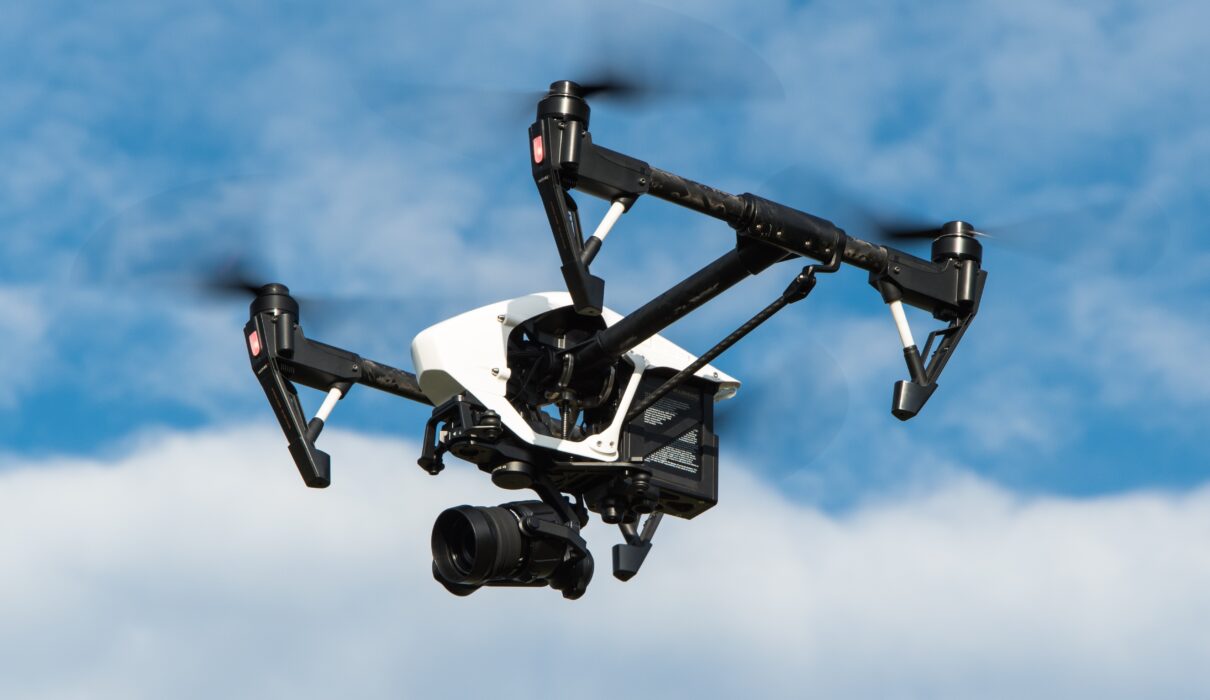
What I eventually landed on was the Autel EVO II Dual 640T. Still not cheap — I paid around $3,200 refurbished — but it’s a genuine consumer-to-prosumer drone with thermal camera that real people actually use. Search and rescue volunteers use them. Roof inspectors use them. Wildlife researchers use them. That felt right.
Mistake One: I Didn’t Research the Legal Side First
Here’s where I got caught off guard.
I bought the Autel without fully understanding export controls on thermal cameras. Cameras above a certain sensitivity level are classified under export regulations in the US, and there are import restrictions in various countries. I wasn’t importing internationally, but there’s a whole layer of legal complexity around thermal equipment I didn’t know existed.
I didn’t get in trouble. But I felt like an idiot finding this out after the purchase rather than before. If you’re buying a drone with thermal camera — spend 20 minutes understanding the regulations in your country. Do it first, not after.
Actually Flying It — Easier and Harder Than Expected
First flight was in my backyard on a cold morning. Around 38 degrees Fahrenheit outside, which is actually ideal for thermal imaging — the contrast between warm objects and cold background is much cleaner. I didn’t know that yet. I just happened to pick a cold morning because that’s when I had time.
The learning curve wasn’t the drone itself. I’ve flown drones before. Flight controls felt familiar within about ten minutes. What took way longer was learning to read the thermal image in real time.
The display shows you a heat map — color palettes like “iron” or “rainbow” or white-hot/black-hot mode — and interpreting what you’re seeing is genuinely a skill. I kept second-guessing myself. Is that a warm spot on the roof because of heat loss, or just because that section gets more sun? I didn’t know. It took several weeks of flying and comparing thermal readings to what I could confirm visually before I started trusting my own interpretation.
One thing this part confused me about longer than I’d like to admit: the color palette selection. There are multiple options — iron, rainbow, white-hot, black-hot, and others — and the default kept switching on me after firmware updates. White-hot is actually easier for beginners because bright means warm and dark means cold. Rainbow looks impressive but it’s genuinely harder to interpret accurately when you’re new to this.
Mistake Two: I Got Confident Too Fast
About a month in, I started doing what I called “roof sweeps” — flying slowly over neighbors’ houses (with their permission, yes, I asked every single one) looking for heat loss patterns. Our houses were built in the 70s and most have terrible insulation. The drone with thermal camera was showing me all kinds of interesting stuff.
But I got confident too fast.
I saw a bright spot on one neighbor’s roof near the chimney, and told him with way too much certainty that he probably had a serious heat leak. He had a contractor come out. Turns out it was just where the chimney itself was warm from recent use. Completely normal.
He was cool about it. But I felt terrible.
A drone with thermal camera gives you data, not answers. You still have to think. You still have to consider context, timing, recent weather, sun angles. The thermal image doesn’t tell you what things mean — it shows you temperature differences, and then you have to figure out what those differences mean. That interpretive layer is where the real learning happens, and nobody talks about it upfront.
Mistake Three: The Drone’s Own Heat
This one is embarrassing.
I once tried flying at dusk thinking lower light would make thermal readings more dramatic. Partially true. But I forgot to account for the temperature of the drone’s own body against the ambient air. I started seeing weird artifacts in the thermal image that I couldn’t explain. Spent an hour on forums asking questions.
Someone finally pointed out that if the drone body is warm from a previous flight and the air is cold, you can see the drone’s own heat bleeding into the edges of your thermal frame. I’d been nearly convinced the camera was malfunctioning. It wasn’t.
Fix: longer wait between flights when temperatures shift dramatically. Simple once you know it. Maddening before you do.
The Moments That Made It Worth It
There were real wins too.
The most significant: I was asked — informally, not professionally — to help a volunteer group scan a small wooded area for a missing elderly person. They’d been searching for hours on foot. I flew a grid pattern at about 80 feet altitude and within 12 minutes we had a heat signature that turned out to be the person, sitting against a tree about 200 meters from where the search had been focused.
That single moment made the entire purchase feel justified. All of it — the cost, the frustration, the weeks of learning to read heat maps.
I cried a little in the car afterward. Not going to pretend I didn’t.
On a smaller scale: I found a section of my own west-facing wall where insulation had settled and left a gap — showed up as a dark patch on the thermal image in winter. Fixed it for about $80 in spray foam. My heating bill in that area was probably costing me more than I realized for years.
I’ve also used the drone with thermal camera for wildlife observation. Birds don’t show up dramatically because they’re small. But deer at night? Unmistakable. I’ve flown over fields at dusk seeing whole groups moving through. Beautiful in a weird, tech-mediated way.
Battery Life — The One Ongoing Frustration
The specs say 30-35 minutes of flight time. That sounds like a lot. When you’re doing thermal inspection work — methodical, slow, grid patterns — that 35 minutes goes fast. Really fast.
And the batteries are $200+ each. I have three now, which I justified to my wife as “professional equipment” even though I am absolutely not a professional. She knows. She’s just kind about it.
If you’re buying a drone with thermal camera for any kind of inspection work, budget for at least two spare batteries from the start. Don’t do one session and wonder why it feels so short.
Is It Actually Worth It?
Here’s the thing. I’ve gone back and forth on this genuinely.
The price is high enough that you have to be honest with yourself about why you want one. If it’s purely curiosity — there are cheaper ways to satisfy that. You can rent time through drone service companies. You can hire someone certified to do a one-time roof check. Way cheaper than buying.
But if you have a genuine recurring use case — farming and monitoring livestock at night, large property ownership, volunteer search and rescue, regular energy audits as a contractor — then owning a drone with thermal camera starts making real sense. The math changes completely.
For me it sits in a weird middle ground. I’ve used it enough that I don’t regret it. I’ve found things it showed me that I wouldn’t have found otherwise. And I’ve had that one genuinely meaningful moment in the woods.
But I’ll be real: there are months where it sits in the case and I don’t fly it once. When I see a $3,200 purchase sitting idle, a small quiet voice asks if I made the right call. Most days I think I did. I don’t have a cleaner answer than that.
Questions People Keep Asking Me
Can you find animals at night with a drone with thermal camera? Yes, works well for larger animals. Deer, coyotes, medium-sized dogs show up clearly. Smaller animals like cats or rabbits are trickier — their signature is smaller and can blend with warm surfaces. At 80-100 feet altitude, a cat on a warm driveway is genuinely hard to distinguish from the driveway itself. Gerald would not have been easy to find.
Do you need a license? In the US — FAA Part 107 certification if you’re flying commercially (anyone paying you). Personal use requires registration ($5, easy online process) and standard FAA altitude and airspace rules. The thermal camera itself doesn’t add legal requirements beyond the export stuff I mentioned. Verify for wherever you are — it changes.
Is the image quality actually useful? Yes, with the caveat that you need time to learn to read it. Resolution is low by regular camera standards, but temperature sensitivity is impressive. I can see a 1-2 degree surface temperature difference across my roof. That’s enough to find real problems.
How long before you felt comfortable? About two months of regular flying before I felt like I actually understood what I was looking at. The drone itself — maybe a week. Reading thermal output accurately took much longer. Still learning things now.
One Last Thing
If you’re seriously considering a drone with thermal camera — practice with a regular camera drone first if you haven’t already. The thermal part adds real complexity. If you’re also learning basic flight at the same time, it’s overwhelming. Get the piloting muscle memory down. Then add the thermal layer. Your learning curve will be dramatically shorter.
The honest summary after six months: a drone with thermal camera rewards patience more than almost any tech purchase I’ve made. It’s not instant gratification. It’s not plug-and-play magic. There’s a real skill involved, and the investment — in money, time, and frustration — is genuinely significant. But when it works, when you’re floating 90 feet above a dark field and you suddenly see a warm shape moving through the trees that nobody on the ground can see, it feels like having a superpower.
And check local regulations. Drone laws have been tightening. Flying over neighbors’ houses, even with permission, might require registration or licensing depending on drone weight and your location. The Autel EVO II requires FAA registration in the US. Easy and cheap, but not optional.
Gerald is an indoor cat now. Some lessons are learned the easy way.
You Might Also Like
- Best Budget Drone — What Actually Happened When I Bought One in 2026
- I Built a $300 DIY Drone Kit Six Months Ago — Absolutely No Regrets
- Drone Car Review — My Real Experience After 8 Months (And All the Weird Stuff)
- Beginner’s Guide to Mini RC Drift Cars (Real Experience After 3 Years)
- Home Automation Switches for Beginners (Honest 2026 Guide)
- Savant Home Automation Review: My Shocking Real Experience After 2 Months