

 By
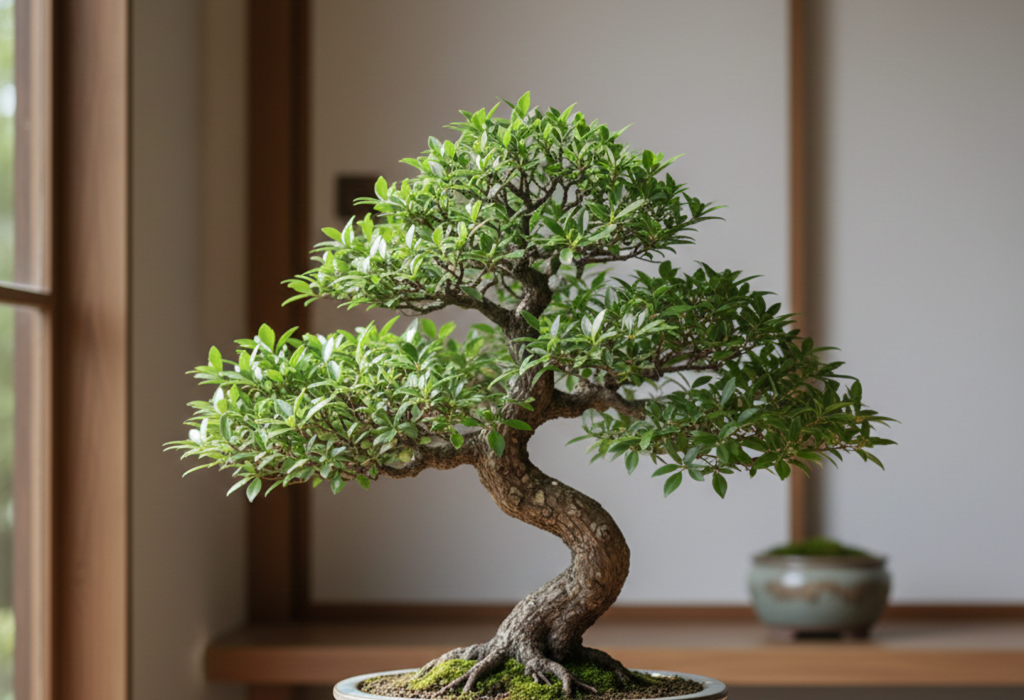
By Growing bonsai teaches you patience in a way nothing else does. It slowly becomes more than a plant it feels personal. Many people buy beautiful bonsai, but after a while the plant becomes weak. And surprisingly, in most cases, the real problem turns out to be something very simple the wrong pot choice. A bonsai pot is not just a decoration piece, it is very important for the health and shape of the tree.
Hello, I’m Jigar the creator of JigTechHub. Although technology is my main field, bonsai has always been close to my heart. As I spent more time nurturing small trees at home, I discovered that selecting the right bonsai pots plays a major role in shaping their growth and character. With practical experience and trial-and-error, I learned that the right pot doesn’t just hold the tree it completes it.
When I first got a bonsai, I chose a pot just by looks. In a few months I realized that choosing a pot for bonsai is half the art. In this guide, I want to share what I’ve learned about bonsai pots and how you can choose the right one. what is a bonsai pot, what types are there and how to choose the right pot.
What is a bonsai pot and why is it special?
A bonsai pot is different from a normal flower pot. It is generally wide and shallow. The reason is that in bonsai the roots are kept under control. If the pot is too deep, the roots will spread too much and the small shape of the tree will not be maintained.
A good bonsai pot doesn’t just hold the tree it complements it and completes the overall look. The pot should enhance the beauty of the tree, not suppress it. Choosing the right Bonsai Pots is essential for maintaining tree health, balance, and overall design.
Types of Bonsai Pots You Should Know
1. Glazed pot
Glazed pots are shiny and colorful. I personally find glazed pots beautiful for flowering bonsai because the colors make the blooms stand out even more. A colorful pot enhances the beauty when the tree blooms in pink, yellow or white.
Since glazed pots don’t absorb much water, you might notice the soil behaves a little differently. So you have to be careful while giving water. Glazed Bonsai Pots are ideal for flowering species.
If you’re looking for high-quality Bonsai Pots, you can check this well-rated option available on Amazon.
- Ceramic Modern Glaze Succulent Planter Pot with Drainage Hole
- SQOWL Ceramic Planter 8 Inch – Pot for Indoor Outdoor Plants Round Ceramic Plant Pot with Drainage Hole and Saucer Modern Flower Pot Glazed Blue
2. unglazed pot
An unglazed pot has a natural color like normal clay. If you love natural-looking bonsai like pine or banyan, unglazed pots usually feel more authentic. This type of pot gives the tree a calm and natural look.
The texture and color of the soil match well with the gnarled branches of the tree. Unglazed Bonsai Pots give a more traditional and natural look.
If you’re looking for high-quality Bonsai Pots, you can check this well-rated option available on Amazon.
- MUZHI 2PACK Unglazed 6” Ceramic Bonsai Pot with Humidity Trays, Breathable Handmade Rectangle Bonsai Starter Planter for Bonsai Tree, Juniper,Ficus, Money Tree
- MUZHI 2 Pack Handmade Color Gradational Terracotta Bonsai Pot 5 Inch and 6 Inch with Drip Tray, Breathable Unglazed Rectangle Ceramic Planter for Tree Succulent Cactus
3. Bonsai Training Pots
A training pot is a good option for beginning gardeners, as it allows for experimentation and costs less. Training Bonsai Pots are helpful for young trees. When the bonsai is still in the growth stage, a training pot is used. These are usually plain plastic or clay. It gives the roots a little more room to spread out.
If you’re looking for high-quality Bonsai Pots, you can check this well-rated option available on Amazon.
- MUZHI 2PACK Unglazed 6” Ceramic Bonsai Pot with Humidity Trays, Breathable Handmade Rectangle Bonsai Starter Planter for Bonsai Tree, Juniper,Ficus, Money Tree
- PAMASE 8 Packs Bonsai Training Pot with Humidity Tray – 6.5in & 9in Training Nursery Pots Kit, Plastic Plants Growing Planter with Drainage Tray, Indoor Succulents Decor Garden
How Shape of Bonsai Pots Affects Your Tree
The shape of the bonsai pot is also very important.
- A rectangular pot looks perfect for a strong and upright tree.
- The round pot harmonizes with the soft and curved tree.
- An oval pot gives a balanced and calm look.
The pot and tree should feel like they belong together. When they match, you can actually sense the harmony. If the nature of the tree is delicate and the pot is of a heavy design, the look looks unbalanced.
How to choose the right bonsai pots size?
A simple guideline many growers follow is the length of the pot should be approximately two-thirds of the total height of the tree. The depth of the pot is usually kept equal to the thickness of the trunk.
Too small a pot stresses the roots, and too big a bonsai pot can ruin the miniature illusion. and growth may stop. If the pot is too big, it becomes difficult to maintain the shape of the bonsai.
Drainage – the most important thing
Never ignore drainage holes I learned this the hard way. If water is left standing in the pot, the roots may rot. There are usually two or more halls. A small net (mesh) is placed on the drainage hole so that the soil does not go out. It is important that the water can drain out easily. Choosing high-quality Bonsai Pots improves drainage and root health.
In my experience, many people buy beautiful decorative pots that do not have holes. Trust me, that mistake can cost you your plant.
Choosing the Right Material for Your Bonsai Pot
Ceramic pot
Ceramic pots feel premium and solid. They instantly make a bonsai look more refined. It does not spoil for a long time and is a great choice for indoor as well as outdoor decoration. Available in various colors and designs, they easily match your garden or interior.
If you’re looking for high-quality Bonsai Pots, you can check this well-rated option available on Amazon.
- Ceramic Modern Glaze Succulent Planter Pot with Drainage Hole
- SQOWL Ceramic Planter 8 Inch – Pot for Indoor Outdoor Plants Round Ceramic Plant Pot with Drainage Hole and Saucer Modern Flower Pot Glazed Blue
Clay pot
Clay pots have a raw, earthy charm that many bonsai lovers appreciate. As air passes through it easily, the roots of the plant get proper breathing. Excess water drains out, making root rot less likely. Especially useful for both indoor and outdoor plants.
If you’re looking for high-quality Bonsai Pots, you can check this well-rated option available on Amazon.
- Ceramic Modern Glaze Succulent Planter Pot with Drainage Hole
- SQOWL Ceramic Planter 8 Inch – Pot for Indoor Outdoor Plants Round Ceramic Plant Pot with Drainage Hole and Saucer Modern Flower Pot Glazed Blue
Plastic pot
Plastic pots may not look fancy, but they’re practical and great for beginners. It is suitable for plants in early growth stage. Water is retained for a long time, so there is no need to water frequently. Being available in different shapes and sizes, it can be used in multiple ways.
If you’re looking for high-quality Bonsai Pots, you can check this well-rated option available on Amazon.
- Ceramic Modern Glaze Succulent Planter Pot with Drainage Hole
- SQOWL Ceramic Planter 8 Inch – Pot for Indoor Outdoor Plants Round Ceramic Plant Pot with Drainage Hole and Saucer Modern Flower Pot Glazed Blue
Seasonal care of potted plants
heat (summer)
- The bonsai pot heats up quickly in the heat, which can cause the soil to dry out quickly.
- Water regularly and check soil moisture.
- If possible, keep the pot in a semi-shaded location out of direct sunlight.
- Applying mulch (dried leaves/coconut husk) conserves moisture.
Monsoon
- There is a risk of excess water logging during the rainy season.
- Check that the bonsai pot has proper drainage holes.
- Empty the tray regularly to avoid waterlogging.
- Ensuring good air circulation to prevent fungus and pests.
Winter
- Lower temperatures in winter can damage the roots.
- Keep the pot away from very cold surfaces (like direct ground/tiles).
- If necessary, protect the pot by covering it with jute or cloth.
- Watering should be reduced slightly, as the soil dries out slowly.
This way, with proper seasonal care, your potted plants will stay healthy and green year-round.
Repotting Bonsai: Why and When?
Why is repotting necessary?
- Over time, bonsai roots become very root bound in the pot.
- Soil loses nutrients and water does not absorb well.
- If the water takes longer to drain out even after watering, it may be an indication of repotting.
- New, healthy growth requires fresh soil and space.
When to repot?
- Generally it is advisable to repot every 1 to 2 years.
- Fast growing young bonsai may need to be repotted more often.
- Best time: Early spring, when new buds are ready to sprout.
What to keep in mind while repotting?
- Gently clean the roots after removing the plant from the pot.
- About one-third of the total root can be cut off, to make room for new growth.
- Use fresh, well-drained bonsai soil.
- Keep away from direct sunlight for a few days after repotting and give proper watering.
When you repot at the right time, your bonsai almost thanks you with fresh, healthy growth. 🌱
Also read this :-
- Complete Guide to Growing Japanese Acer Bonsai (Care, Tips & Styles)
- What Growing a Bonsai Taught Me About Patience, Art, and Nature
- Bonsai Soil Explained: How to Choose the Perfect Mix for Strong Roots – 2026
- Backyard Farming: A Simple Guide to Growing Healthy Food at Home
- The Key to a Thriving Garden: 21 Essential Gardening Tools
Things to keep in mind while buying a bonsai pot
- Are there enough drainage holes in the pot?
- Is the color of the pot compatible with the tree?
- Is the weight of the pot balanced?
- Will it last longer?
No need to get a very expensive pot in the beginning. Get experience first, then slowly build up a good collection.
Conclusion
Over time, you’ll realize bonsai isn’t just gardening it becomes a quiet companion. Give it a little attention, a little water and a little love every day and that little tree will grow with you for years.
Choosing the right pot is just the beginning of this journey. The pot should be such that it takes care of the tree, enhances its beauty and supports it for a long time. Investing in quality Bonsai Pots will support your tree’s growth for many years.
If you are considering starting a bonsai, first understand the process of choosing a pot. A right decision will give you years of happiness.
Faq..
1️. Can a normal pot be used for bonsai?
Ans. Yes, a normal pot can be used initially, but it needs to have proper drainage. Pots specially made for bonsai are more suitable for shallow depth and proper balance.
2️. How many drainage holes should a bonsai pot have?
Ans. There should be at least two drainage holes. This is very important to prevent waterlogging. Placing a small net (mesh) on the hole does not allow the soil to come out.
3️. What is the difference between glazed and unglazed pots?
Ans. Glazed pots are shiny and colorful, while unglazed pots are natural clay in color. Glazed pots look more beautiful for flowering bonsai, while unglazed pots are preferred for a traditional or wild look.
4️. How deep should a bonsai pot be?
Ans. Generally, the depth of the pot is kept equal to the thickness of the tree trunk. A pot that is too deep can spoil the small shape of the bonsai.
5️ How often should bonsai be repotted?
Ans. Generally it is advisable to repot once in 1 to 2 years. If the roots become too waterlogged or have difficulty draining, it’s time to repot.
6️. Are plastic pots suitable for bonsai?
Ans. Yes, a plastic pot is useful especially in the beginning or training stage. They are light and cheap. But ceramic or clay pots look more attractive for hobby and decorative bonsai.
7️. How to choose the color of bonsai pot?
Ans. The color of the pot should be harmonious with the tree and its leaf or flower. A pot of muted colors provides a good balance if there is a bright flower, while a natural soil color looks beautiful for a tree with plain green leaves.
8️. Should a tray be kept under the pan in the bonsai pot?
Ans. Yes, keep the plate so that excess water does not spread on the ground. But be careful that water does not remain in the tray for a long time.
9️. Which material is best for bonsai pot?
Ans. It depends on your usage. Ceramic is strong and attractive for a long time. A clay pot is good for natural air flow. Initially, plastic is also suitable for practical use.
10. Does keeping a small pot make a bonsai smaller quickly?
Ans. not the size of the bonsai does not depend only on the pot. Its shape is maintained with regular pruning, root pruning and proper care.