

 By
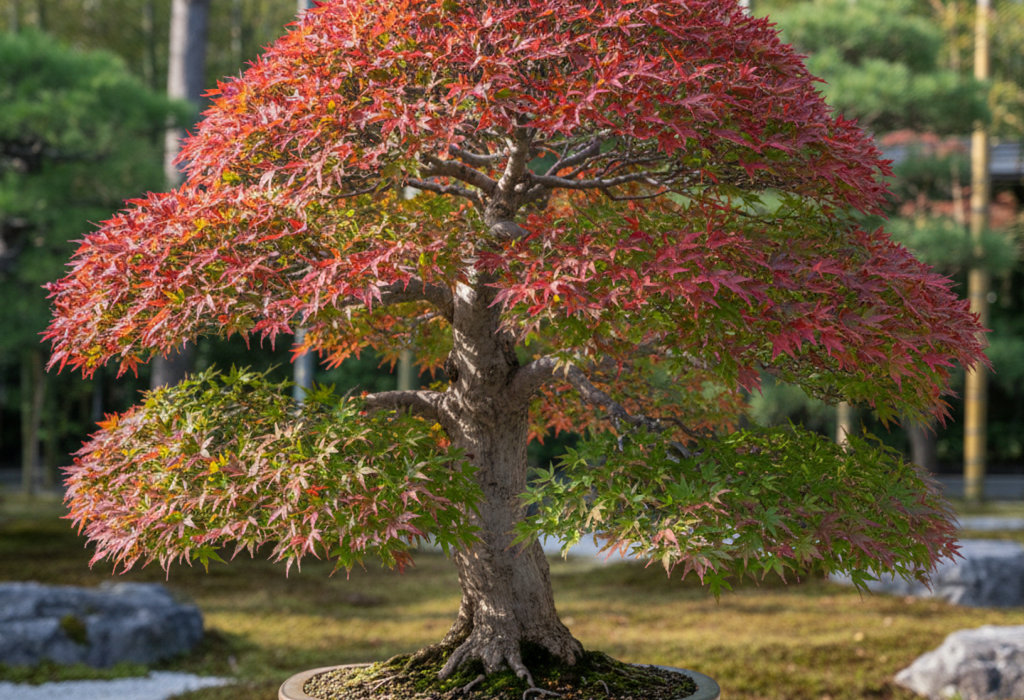
By There’s something quietly magical about an Acer palmatum. When you first see the fragile leaflets of this tree blowing in the wind, you will know why so many people love them., The Japanese Maple species is one of the most popular varieties of bonsai because of its elegant leaves and vibrant autumn colors. It realizes peace, balance and mental relaxation. So, what exactly makes this tree so special, and why does it hold such a respected place in bonsai collections around the world? the Japanese Maple is a staple in any bonsai collectiont, how to grow it, care for it, and keep it looking beautiful.
Introduction to Acer Palmatum
Native to Japan, Korea, and China, this tree has been admired for centuries for its graceful branching and seasonal drama, Acer palmatum grows as a beautifully branched tree the forests of Japan, Korea, and China. What truly attracts people is the way it transforms with the seasons going from spring greens to fiery autumn reds. from fresh green in spring, deep green in summer, to fiery reds, oranges, and yellows in fall. Those changing colors are exactly why it stands out as a bonsai.
Over time, growers have developed several stunning varieties, each with its own personality and charm.
1. Atropurpureum
One of the most eye-catching varieties is Atropurpureum, known for its rich red to deep purple foliage that stays attractive from spring to autumn.
2. Bloodgood
Bloodgood is a favorite among bonsai enthusiasts, mainly because its deep red leaves hold their color beautifully, even during warmer months.
3. Dissectum
Then there’s Dissectum, famous for its lace-like leaves and slightly weeping form, giving it an elegant, almost flowing appearance in smaller pots.
check on amazon– Bonsai Tree Seeds, Japanese Red Maple | 20+ Seeds | Highly Prized for Bonsai, Japanese Maple Tree Seeds (ACER palmatum) 20+Seeds
So, why opt for a Japanese maple bonsai tree?
Unique Looks: What truly sets this bonsai apart is its delicate, finely cut leaves and the way its colors shift dramatically from soft greens to fiery reds and golds. One of the major reasons for choosing this bonsai tree is that it can be easily grown in an upright, slanting, cascade, or semi-cascade form, and the branches are smooth, making it easy to shape.
Symbolic Value: In Japanese culture, the maple is often associated with peace and balance, which might explain why simply sitting beside one feels so calming.
Seasonal Variations: The different looks in each season, like soft leaves in spring, dense greens in summer, and bright colors in autumn, add variety to the bonsai collection.
check on amazon– Bonsai Tree Seeds, Japanese Red Maple | 20+ Seeds | Highly Prized for Bonsai, Japanese Maple Tree Seeds (ACER palmatum) 20+Seeds
Easy to Maintain: With consistent care proper light, thoughtful watering, and timely pruning it rewards you with steady, graceful growth.
That is why many people consider it a classic choice a classic and popular choice for bonsai tree lovers.
Some popular styles of Japanese maple (Acer palmatum) bonsai:
Upright (Chokkan): Straight and tall growing trunk with balanced branches. Trunk taper (thick at the bottom, thin at the top) is very important in this style.
check on amazon– Bonsai Tree Seeds, Japanese Red Maple | 20+ Seeds | Highly Prized for Bonsai, Japanese Maple Tree Seeds (ACER palmatum) 20+Seeds
Informal Upright (Moyogi): The trunk goes up with a slight curve, but the top remains straight. This gives a natural tree-like feel.
Slanting (Shakan): The trunk leans slightly to the right or left. The roots should appear strong on one side to maintain balance.
Cascade (Kengai): Branches cascade downwards beyond the edge of the vessel. Usually grown in tall containers.
Semi-cascade (Han-kengai): Like Cascade, but the branches don’t go too far down the stem with a moderate incline.
Broom Style (Hokidachi): Small branches spreading in a circular shape from a straight trunk, especially for deciduous trees.
check on amazon– Bonsai Tree Seeds, Japanese Red Maple | 20+ Seeds | Highly Prized for Bonsai, Japanese Maple Tree Seeds (ACER palmatum) 20+Seeds
Getting the trunk shape, branch placement, and leaf size right is important. With regular pruning and gentle wiring, the branches grow naturally, keeping the tree balanced and looking organic
Choosing your own bonsai planting and soil
Like most maples, this tree prefers firm, well-draining soil. Use a well-draining mix like Akadama, pumice, and lava rock (or a quality bark mix) usually does the trick
Selection of pot:
Light and small bonsai pots should be chosen. Neutral in color or a slightly lighter color than the soil is suitable, so that the tree looks more attractive. The depth of the pot should not be too deep, so that the roots can be easily controlled and the shape of the bonsai remains balanced.
Repotting:
Repotting is best done in early spring, just before new growth begins, when the tree is naturally ready to refresh itself., as the plant is ready for new growth at this stage. While repotting, the roots need to be pruned and then shifted to new soil, so that the plant gets proper nutrients and keeps growing well.
Japanese maple care
Watering:
The soil should feel slightly moist to the touch never dry like dust, but never waterlogged either. as too much water can cause root rot. During summer, it naturally requires more water, while winter calls for less, while less water is appropriate in winter.
Sunlight:
A spot with gentle morning sun and afternoon shade usually works best, as harsh sunlight can easily scorch the delicate leaves. Direct and intense sunlight can burn the leaves, so choose a location with light sunlight or shade.
Pruning:
Structural pruning helps maintain the main branches and trunk shape the shape of the main branches and trunk. Leaf pruning is useful for developing small leaves and controlling growth, so that the bonsai has a balanced and attractive shape.
Wiring:
Wiring helps shape the branches into your desired form, but it should always be done gently and patiently to avoid stressing the tree. into the desired shape. But over-wiring should not be done, as it can damage the branches and hinder the proper access of water and nutrients. Leaves and Diseases (Japanese Maple Bonsai)
Like many delicate trees, this bonsai can be a bit sensitive, so regular observation is key, so watch for leaf spots or any signs of disease.
Common Pests
1. Aphids: These small, ant-like insects suck the sap from new, tender leaves, causing the leaves to curl and stunt growth.
2. Spider mites: These insects make webs on the undersides of leaves and cause yellowing of the leaves. If not controlled in time, the leaves may also dry out.
3. Scale insects: These round or band-like insects attach themselves to the stems and leaves. They suck the sap from the plant, impairing growth and affecting the health of the plant in the long run.
Common Diseases:
1. Root Rot: Overwatering can cause root rot. In such a situation, the leaves droop or turn yellow and the plant’s growth slows down.
2. Leaf Spots: Especially in humid climates, black or brown spots appear on the leaves, which can be a symptom of fungus or other infections.
Remedy and Care:
A light application of neem or horticultural oil in the morning or evening helps reduce pest risks or horticultural oil lightly in the morning or evening to reduce the risk of pests and fungus. Keep the soil moist, but take special care not to waterlog it. The holes in the container should be open and unobstructed for good drainage. It is important to inspect the roots and leaves periodically, so that any problems can be detected early. Remove infected leaves or branches immediately, so that the disease does not spread.
With a little attention and patience, your bonsai can stay vibrant and healthy for many years, your bonsai will remain healthy, strong and beautiful.
check on amazon– Bonsai Tree Seeds, Japanese Red Maple | 20+ Seeds | Highly Prized for Bonsai, Japanese Maple Tree Seeds (ACER palmatum) 20+Seeds
Seasonal care for Japanese maple bonsai
Spring:
It is best to repot before new shoots emerge. At this time, light pruning can be done to shape the new growth. Regular use of a balanced fertilizer is recommended for healthy growth. Pay special attention to fresh and tender leaves, as they can be affected quickly.
Summer:
Partial shade is necessary to protect from intense afternoon sunlight. Water requirements increase in summer, so ensure that the soil does not dry out. Maintain proper air circulation to prevent leaf scorch in high temperatures.
Autumn:
This is the season to enjoy the beautiful fall colors. Reduce or stop fertilizing so that the tree can prepare for winter. Removing dry and fallen leaves maintains cleanliness and health.
Winter:
Provide a greenhouse, shed or cover to protect against heavy frost or extreme cold. Water sparingly, making sure the soil is neither completely dry nor too wet. During this time, the tree is dormant, so it is best to avoid pruning.
With proper care according to the season, your bonsai will remain healthy, strong, and beautiful throughout the year.
Propagation (creating a new bonsai)
If you’re feeling inspired to grow your own Japanese maple bonsai, propagation can be a rewarding next step. Here are some helpful tips
Japanese maple bonsai propagation methods
By seed:
This is a natural and satisfactory method, but growth is slow. Seeds usually require cold stratification to germinate properly. It can take several years to develop a basic shape, so it is considered a bit difficult for a beginner. However, this is an effective method to get a strong and healthy bonsai in the long run.
check on amazon– Bonsai Tree Seeds, Japanese Red Maple | 20+ Seeds | Highly Prized for Bonsai, Japanese Maple Tree Seeds (ACER palmatum) 20+Seeds
By cuttings (branches/twigs):
This is a quick and easy method. Soft branches can be cut in spring or early summer and planted with a rooting hormone. The plant obtained by this method retains the same quality and leaf color as the parent tree. This is the most suitable and popular method for beginners.
Grafting:
This method is suitable for advanced bonsai enthusiasts. Combining a specific variety (cultivar) with a strong rootstock can maintain unique leaf color or shape. However, this requires skill and experience.
Ultimately, the best method depends on how much time and patience you’re willing to invest., and available time, experience, and available time. With patience and regular care, you can successfully grow a new Japanese maple bonsai.
check on amazon– Bonsai Tree Seeds, Japanese Red Maple | 20+ Seeds | Highly Prized for Bonsai, Japanese Maple Tree Seeds (ACER palmatum) 20+Seeds
Japanese maple – Tips for beginners
If you’re just starting out, the biggest mistake to avoid is overwatering it’s surprisingly easy to do. and to control sunlight properly. Take special care to keep the soil moist but not waterlogged. Protect from strong direct sunlight and provide partial shade is more appropriate.
It is important to gather information and understand the method properly before pruning and wiring, as incorrect pruning or over-wiring can damage the plant.
Some varieties are especially recommended for beginners, such as Bloodgood and Atropurpureum. These varieties are hardy, easy to care for and known for their beautiful red leaves, making them excellent choices for beginners.
here is some bonsai on amazon hope you like – Bonsai Tree Seeds, Japanese Red Maple | 20+ Seeds | Highly Prized for Bonsai, Japanese Maple Tree Seeds (ACER palmatum) 20+Seeds
Also Read This: –
- Do Junipers Make Good Bonsai Trees? Complete 2026 Guide
- Complete Ficus Bonsai Tree Care Guide: Types, Pruning, Watering & Growing Tips – 2026
- Juniper Bonsai Tree Guide – Care, Types, Benefits & Personal Growth Story(2026)
- 21 Essential Gardening Tools
- Bonsai Starter Kit for Beginners: Complete Guide to Growing Your First Bonsai at Home – 2026
conclusion
As time goes by, your bonsai tree will become more than simply a plant. Rather than a static object, it is a living being. Changes to the tree’s foliage will reflect the passage of seasons throughout the year. A bonsai represents numerous elements, including a peaceful spirit, creative energy, and the ability to wait for many years until full maturity occurs.
When starting out with bonsai as a beginner, it is wise to choose species that are easy to maintain and require little maintenance. To grow bonsai Successfully, it is imperative that you maintain suitable conditions, i.e, regularly trimming back both branches and roots as well as sufficient exposure to water, light, and fertilizer.
If you have an appreciation for nature or understand the concept of mindfulness, then working with bonsai will provide you with both enjoyment, fulfilment; and you can look forward to developing yourself through the enjoyment of this ancient art form.
here is some bonsai on amazon hope you like – Bonsai Tree Seeds, Japanese Red Maple | 20+ Seeds | Highly Prized for Bonsai, Japanese Maple Tree Seeds (ACER palmatum) 20+Seeds
Watching it transform throughout the year is one of the most satisfying parts of owning one a small but constant reminder of nature’s rhythm. is one of the most satisfying parts of the journey through the seasons is one of the most rewarding parts of this hobby and a quiet joy in its seasonal beauty
FAQ.
1. How much sunlight does an Acer Palmatum bonsai need?
Acer Palmatum bonsai thrives in bright morning sunlight and partial shade in the afternoon. More intense, direct sunlight can damage the leaves.
2️. How often should a Japanese Maple bonsai be watered?
The soil should always be kept slightly moist — neither completely dry nor waterlogged. More frequent watering is required in summer, while less frequent watering is sufficient in winter.
3️. When is the best time to repot?
Early spring is the best time to repot, before new shoots appear. During this period, the plant is ready for new growth.
4️. Is an Acer Palmatum bonsai suitable for beginners?
Yes, but proper care is required. With proper water, partial sunlight, and regular pruning, even beginners can successfully grow it.
5️. Why do leaves turn yellow?
Overwatering, poor drainage, or too much sunlight can cause the leaves to turn yellow. Proper soil drainage is very important.
6️. Can Japanese Maple bonsai be kept indoors?
This is primarily an outdoor plant, as it needs the natural changes of the seasons. It is not suitable to keep it indoors for a long time.
7️. When to prune and wire?
It is best to do light pruning in spring and early summer to maintain the original shape. Great care should be taken when wiring so as not to damage the branches.
8️. What special care should be taken in winter?
The plant is dormant in winter, so it is necessary to water less and protect it from extreme cold. Avoid heavy pruning during this period.