

 By
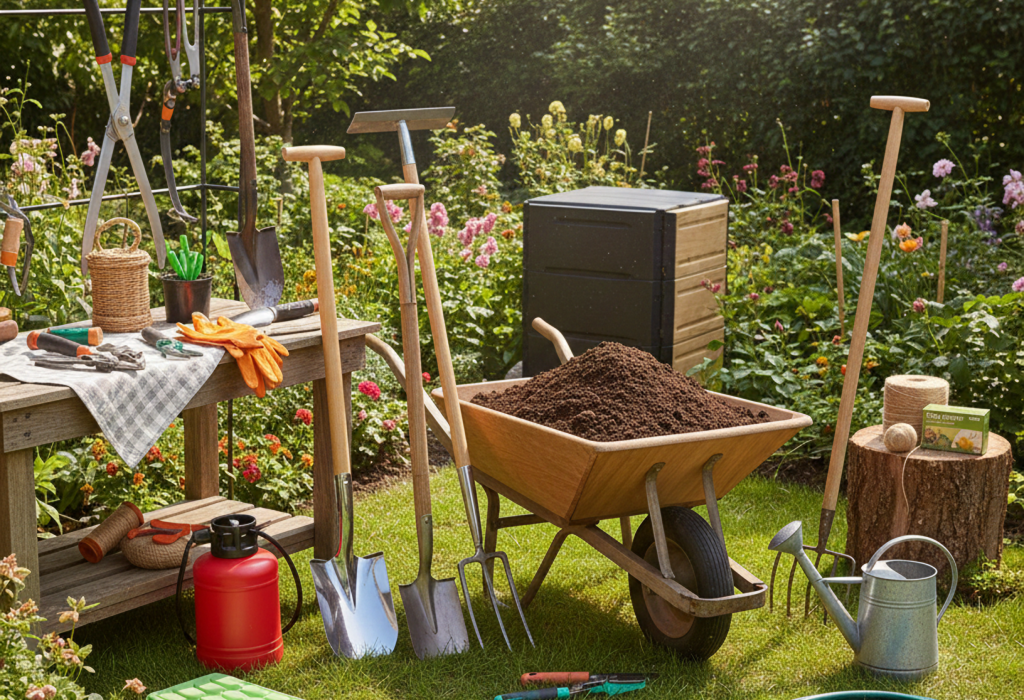
By Starting a garden sounds exciting, but many beginners feel confused about one simple thing — which gardening tools are actually necessary and which ones are just optional.
When I started gardening, I made the same mistake. I bought random tools without knowing what really mattered, and it only made gardening harder.
Hi, I’m Jigar, the creator of JigTechHub. While I usually write about technology and digital tools, gardening is a personal hobby I truly enjoy. Over time, through hands-on experience, I’ve learned which tools actually make gardening easier and more enjoyable.
In this guide, I’m sharing essential gardening tools that I personally use and trust, so you can start gardening the right way — without confusion or wasted money.
Now that you understand why having the right tools is important, let’s take a closer look at the essential gardening tools I personally use and recommend.
Each tool has a specific purpose, and using them correctly makes gardening easier, safer, and more enjoyable. Whether you’re planting flowers, growing vegetables, or maintaining a lawn, these tools will help you get started the right way.
1. Spade
A spade is a very basic and essential gardening tool. It is used especially for digging soil, planting plants, and removing old plants. The blade of a spade is flat and strong, which makes it possible to dig straight and precisely into the soil. When I started gardening, the spade became my most-used tool because it works for almost everything. Working with the right spade puts less strain on the back and gets the job done faster. After years of gardening, I’ve learned that a spade with a strong handle really matters for comfort.
2. Shovel
A shovel is primarily used to move soil, fertilizer, mulch, or sand from one place to another. Its blade is slightly curved compared to a spade, so that more material can be lifted at once. I find a shovel indispensable for my garden, especially when moving soil or adding compost.. It is especially used when adding compost or preparing flower beds. Working with a sturdy shovel saves time and requires less effort. Honestly, once you start gardening seriously, you realize a shovel is something you can’t work without.
3. Garden Hoe
A garden hoe is especially used for weeding and loosening the soil. When unwanted grass grows in the garden, it can be easily removed with a hoe. This tool breaks the top layer of soil, allowing water and air to reach the roots better. I prefer using a hoe because it keeps my garden clean naturally, without chemicals. The long-handled hoe saves the back and makes it easier to work for long periods of time.
4. Garden Fork / Digging Fork
A garden fork is very useful for turning soil and mixing compost. Its tooth-like parts easily penetrate the soil, due to which even hard soil becomes loose. I rely on a garden fork after winter to turn my soil and get it ready for planting.. This tool also removes stones and old roots from the soil. Proper use of the fork helps in improving the soil without damaging the roots of the plants. From my experience, a garden fork really helps improve soil without harming plant roots. This tool slowly becomes part of daily work.
5. Rake
A rake is used to level the ground and collect fallen leaves. A rake is especially essential in America during the fall. A rake makes the lawn look neat and tidy. While preparing the soil, a rake is used to level the surface so that seeds can be sown properly. A light and strong rake is useful for a long time. It may look simple, but regular raking makes the garden feel neat and well cared for.
6. Hand Trowel
A hand trowel is a great tool for planting small plants and working in pots. A trowel is very helpful when you are transplanting seedlings. Hand trowels are very popular as balcony gardening and container gardening are increasing . Their small size gives more control. A trowel with a strong steel blade lasts a long time. For beginners, a hand trowel is easy to handle and builds confidence while planting.
7. Pruning Shears / Secateurs
Pruning shears are used to cut dead or unwanted branches from plants. From my experience, regular pruning helps plants grow stronger and healthier. This tool is very important for American gardeners, especially for roses and fruit trees. A branch cut with sharp shears heals quickly. This tool helps keep the garden neat and tidy. I’ve noticed that plants last longer and look better when pruned on time.
8. Loppers
Loppers are larger and more powerful than pruning shears. They are used to cut thick branches. The long handle allows for a large cut with less force. I use loppers whenever I need to cut thick branches in my trees and shrubs; it makes the task much easier.. This tool helps in cutting high branches safely. Using the right loppers saves effort and makes cutting thick branches less tiring.
9. Hedge Shears
Hedge shears are used to shape hedges and shrubs. Hedges are an important part of American home garden design. This tool can be used to create straight and beautifully shaped hedges. Regular pruning keeps shrubs dense and healthy. Well-shaped hedges instantly make the garden feel cared for and attractive. Using hedge shears regularly keeps my shrubs healthy and makes the garden look well cared for.
10. Garden Knife
The Hori Hori is a multi-purpose garden knife. It is used for digging, cutting roots, and planting seeds. Once I started using the Hori Hori, I understood why gardeners rely on it for many tasks. The blade has measuring marks on it, making it easy to measure depth. I often use it for small jobs because it saves time and effort. I find the Hori Hori really helpful for small jobs and it saves me time in the garden.
Quick Summary…
| Tools | Short Description | Tip / Best Use | Best Buy |
| 1. Spade | Flat blade for digging soil, planting, or removing old plants. | Strong handle; versatile for beginners. | Get it here |
| 2.Shovel | Curved blade to move soil, compost, or mulch easily. | Curved blade to move soil, compost, or mulch easily. | Get it here |
| 3.Garden Hoe | Breaks soil and removes weeds naturally. | Long handle saves back; keeps garden chemical-free. | Get it here |
| 4.Garden Fork | Loosens hard soil, mixes compost, removes stones/roots. | Helps improve soil without harming plant roots. | Get it here |
| 5.Rake | Levels soil and collects leaves. | Lightweight & strong; keeps garden neat. | Get it here |
| 6.Hand Trowel | Small planting tool for pots and seedlings. | Gives control for beginners; strong steel lasts long. | Get it here |
| 7.Pruning Shears | Cuts dead or unwanted branches from plants. | Sharp blades help plants heal faster. | Get it here |
| 8.Loppers | Cuts thick branches safely. | Long handles reduce effort; ideal for trees/shrubs. | Get it here |
| 9.Hedge Shears | Shapes hedges and shrubs. | Keeps hedges dense & neatly trimmed. | Get it here |
| 10.Garden Knife (Hori Hori) | Multi-purpose knife for digging, cutting roots, planting seeds. | Measuring marks help plant at correct depth. | Get it here |
11. Wheelbarrow
A wheelbarrow is used to carry soil, plants, and compost. It is difficult to work without this tool in a large garden. It is widely used in America for both lawns and gardens. Using a wheelbarrow makes moving soil and plants much easier for me.. A wheelbarrow with strong wheels lasts a long time.
12. Watering Can
A watering can is useful for gently watering small plants. It provides more control than a sprinkler. I often use a watering can for my indoor and pot plants because it lets me water them gently and precisely. A can with a suitable nozzle allows water to reach the roots directly. Gentle watering with a can really helps young and potted plants stay healthy.
13. Garden Hose
Garden hoses are essential for watering large areas. I find my garden hose essential for keeping my lawn and plants hydrated, especially during hot days. A long and strong hose allows water to reach every corner. The flow of water can be controlled with different nozzles. I notice that during hot weather, a garden hose helps me keep all my plants hydrated.
14. Sprinkler
Sprinklers provide automatic watering. Sprinklers are a lifesaver on busy days; I can keep my garden watered without constant effort. It waters the lawn and garden evenly. On busy days, I really appreciate sprinklers for watering my garden evenly without spending too much time
15. Gardening Gloves
Gardening gloves protect hands from dirt, thorns, and injury. American gardeners always work wearing gloves. Good gloves protect my hands and make long gardening sessions comfortable. Gloves are essential for both safety and comfort.
16. Kneeling Pad
A kneeling pad is used to protect the knees while working on the knees. This is very useful for the elderly and people who garden for a long time in America. When you work close to the soil for hours, a kneeling pad really saves your knees.
17. Weeding Tool / Weed Puller
A weed puller helps in removing weeds including the roots. Using a weed puller helps me remove weeds completely and keep my garden neat naturally.
18. Soil Test Kit
Soil test kits check the pH and nutrients of the soil. American gardeners use them to improve the soil according to the crop. Understanding my soil helped me grow healthier plants with fewer problems.
19. Garden Twine / Plant Ties
Garden twine is used to support plants. It is essential for plants like tomatoes and beans. I rely on garden twine to support my tomato and bean plants so they grow strong and upright.
20. Compost Bin
A compost bin makes compost from kitchen and garden waste. It is widely used in the United States for sustainable gardening. Using compost from kitchen and garden waste has improved my soil over time.
21. Garden Sprayer
A garden sprayer is used to spray fertilizers and pesticides. American gardeners use it in controlled amounts. I often use a garden sprayer to keep my plants healthy and disease-free.
Quick Summary..
| Tool | Short Description | Tip / Best Use | Buy Link |
|---|---|---|---|
| Wheelbarrow | Carries soil, plants, and compost. | Strong wheels last long; essential for big gardens. | Get it here |
| Watering Can | Gentle watering for small plants and pots. | Precise control; perfect for indoor plants. | Get it here |
| Garden Hose | Watering large areas efficiently. | Long hose with adjustable nozzle covers every corner. | Get it here |
| Sprinkler | Automatic watering for lawns and garden beds. | Saves time and waters evenly on busy days. | Get it here |
| Gardening Gloves | Protects hands from dirt, thorns, and injury. | Comfortable for long sessions; essential for safety. | Get it here |
| Kneeling Pad | Cushions knees during long gardening sessions. | Great for elderly or prolonged gardening work. | Get it here |
| Weeding Tool / Weed Puller | Removes weeds including roots. | Helps keep garden neat naturally; reduces manual effort. | Get it here |
| Soil Test Kit | Checks pH and nutrient levels. | Helps grow healthier plants; adjust soil as needed. | Get it here |
| Garden Twine / Plant Ties | Supports climbing plants like tomatoes and beans. | Keeps plants upright and strong. | Get it here |
| Compost Bin | Turns kitchen & garden waste into compost. | Improves soil naturally; sustainable gardening. | Get it here |
| Garden Sprayer | Sprays fertilizers or pesticides evenly. | Helps maintain plant health; controlled application. | Get it here |
FAQ..
Question 1: I’m new to gardening, so where should I start?
Answer: You don’t need a lot of tools to start with. A good spade, hand trowel, and pruning shears will do most of the work. As you gain experience, add other tools.
Question 2: Is it necessary to buy all the gardening tools at once?
Answer: No, absolutely not. You should gradually take the tools according to the needs of your garden. The necessary tools are enough in the beginning.
Question 3: Can you get cheap tools or should you focus on quality?
Answer: In my experience, if you focus on quality, the tools will last longer and the work will be easier. They should not be too expensive, but they should be strong.
Question 4: Are these tools useful for small balcony gardens as well?
Answer: Yes, especially Hand Trowel, Watering Can, Pruning Shears and Garden Twine are very useful for balcony gardens.
Question 5: How to maintain gardening tools?
Answer: Clean the tools after the work is done and keep them in a dry place. Occasionally apply a little oil on the blades to prevent rust.