

 By
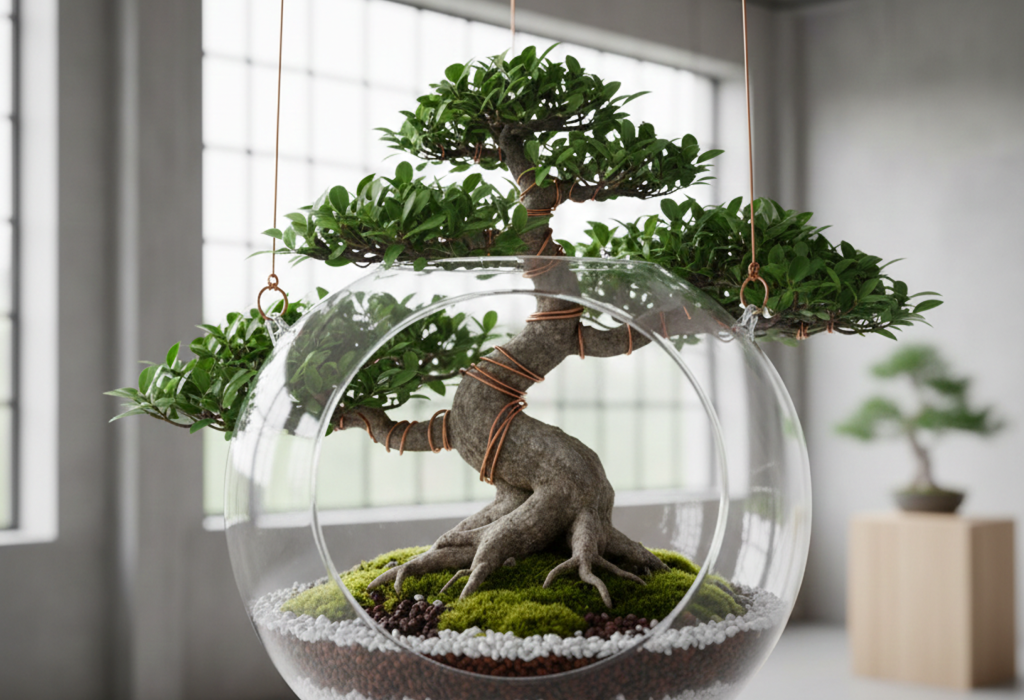
By Sometimes a house can look perfectly arranged, with all the furniture and décor in place, yet it still feels incomplete. Very often, what’s missing is simply a bit of nature. And the most beautiful way to bring nature into your home is with Chinese Elm Bonsai.
My name is Jigar and I am the founder of JigTechHub. I usually write articles on topics like technology, tools and finance. Discovering new technologies, learning about gadgets and researching financial topics all this is part of my job. But gardening is not just a subject for me, it is my personal hobby.
I love spending time with nature. The world of bonsai in particular attracts me a lot. Taking care of a small plant for years and giving it a beautiful shape there is a different kind of peace in this process
Bonsai isn’t just a plant it feels more like an experience, a hobby, and a quiet source of peace all at once. Chinese Elm Bonsai is one of those rare varieties that beginners feel confident starting with, while experienced gardeners also truly enjoy shaping and maintaining it.
In this guide, we’ll walk through everything you need to know about Chinese Elm Bonsai from understanding the tree itself to caring for it and dealing with common problems.
What is Chinese Elm Bonsai?
The tree is botanically known as Ulmus parvifolia, though most people simply call it Chinese Elm. It belongs to the Elm family and naturally grows in countries like China, Korea, and Japan. It has become a favorite among bonsai lovers because:
- Its leaves are small and shiny
- Its bark develops a beautiful texture over time
- It grows quickly
- And most importantly it is easy for beginners
With the right amount of light, it can grow well indoors, and it also does beautifully outside.
History of Chinese Elm Bonsai
The art of bonsai originated in China as “Penjing”. Later, Japan refined it further and created the bonsai art of today.
The Chinese Elm became especially popular because:
- It can be easily molded into various shapes
- Its branches are strong and flexible
- It lives a long time
Over time, it has steadily become a popular choice among bonsai enthusiasts around the world.
Features of Chinese Elm Bonsai
1️. Small shiny leaves
The leaves are small, deep green, and slightly glossy. This naturally gives the tree a neat and elegant look. During winter, the leaves may fall, but once spring arrives, fresh new growth appears, bringing the tree back to life.
2️. Beautiful bark
When the tree grows a little bigger, its bark appears to be loose. The bark often shows shades of Gray, brown, and even orange, giving it a slightly aged and very charming character. This is a special attraction for bonsai lovers.
3️. Strong trunk
The trunk is strong, slightly thick, and often forms a natural curve that adds character. The structure of the trunk is very important in bonsai, and this tree looks very impressive in it.
4️. Easy shaping
This tree can tolerate wiring and pruning. So, you can shape it into different styles according to your choice. This is also one of the most beginner-friendly bonsai trees you can choose.
If you want a classic bonsai that doesn’t require excessive maintenance, this variety is a great option.
How to care for Chinese Elm Bonsai?
1. Sunlight
Chinese Elm does best when it receives plenty of light. If you keep it indoors, then:
- Give it 4–6 hours of indirect sunlight per day
- It is best to keep it near a window
- Avoid a very dark room
If you keep it outdoors, morning sunlight is best.
2. Watering
If there’s one mistake most beginners make including me it’s overwatering.
- Water only when the soil feels dry on top
- Water until water comes out of the bottom of the pot
- Be careful not to overwater
Too much water can eventually lead to root rot.
3. Pruning and shaping
- Prune lightly when new shoots are growing
- You can cut the rest by leaving 2–3 leaves
- Be gentle when wiring
Pruning keeps the tree dense and compact.
4. Soil and Repotting
- Chinese Elm requires well-draining soil.
- Bonsai mix (akadama, pumice, lava rock) does well
- Repot every 2–3 years
- The roots can be trimmed slightly when repotting
Most growers choose to repot it in spring, when the plant is actively growing and can recover more easily.
Chinese Elm Bonsai – Common Problems and Solutions
Yellowing Leaves
Cause: Overwatering or waterlogged soil.
Solution: Reduce watering and check the drainage holes of the pot. Water again only after the soil has dried thoroughly.
Leaf Drop
Cause: Sudden change in light or location.
Solution: Keep the plant in a stable and well-lit place. Avoid frequent changes in location.
Pests
Sometimes pests like aphids or spider mites may appear.
Solution: Spray neem oil regularly and keep checking the underside of the leaves. If necessary, you can also spray with mild soapy water.
With consistent and attentive care, this bonsai can stay healthy and beautiful for many years.
Benefits of Keeping a Chinese Elm Bonsai
Peace of Mind
Looking after a bonsai often feels similar to meditation. Watering, pruning and watching its growth for a while every day makes the mind calm and stable. It also helps in reducing stress.
Beauty of the home
Keep a Chinese Elm Bonsai in the drawing room, the whole look changes. Its small and delicate leaves and attractive branches give the house a premium and natural look. It also works beautifully as a decor piece for an office space or balcony.
Teaches patience
A bonsai doesn’t take shape overnight. It takes a beautiful shape with years of hard work and care. Over time, this hobby naturally builds patience, consistency, and dedication.
Connection with nature
Even in the busy life of the city, you get a touch of nature. You can enjoy growing a tree even in a small space, which keeps us connected to nature.
Grows easily
One reason people appreciate this tree so much is its resilience and adaptability. Even beginners can grow it successfully, as it adjusts well to different climates.
Helps in air purification
Having plants indoors naturally makes the space feel fresher and more alive. Bonsai, even though they are small, helps in improving the quality of the surrounding air.
Great choice for gifts
A Chinese Elm Bonsai makes a thoughtful and meaningful gift. It can be a beautiful option to give on birthdays, housewarmings or special occasions.
If you wish to add peace, beauty, and a hint of nature to your space, Chinese Elm Bonsai can be a lovely addition.
Is Chinese Elm Bonsai suitable for beginners?
Yes, many bonsai growers consider it one of the most reliable and beginner-friendly choices. If you are new to bonsai, Chinese Elm is especially suitable for you because:
1. Easily Adjusts
Chinese Elm adjusts well to both indoor and outdoor conditions. It handles minor changes in light, watering, or weather quite well.
2. Forgives small mistakes
Even if you water too little or too much in the beginning, or prune a little incorrectly this plant does not go bad right away. So it is a safe choice for new learners.
3. Shows rapid growth
You’ll often notice new leaves and shoots appearing quite quickly on a healthy Chinese Elm. So you can see the results immediately as you learn pruning and shaping which helps build confidence.
4. Beautiful and natural look
The small shiny green leaves and strong stems make it very attractive. When cared for properly, it can maintain its beauty for many years.
A personal experience
When I first brought one home, I honestly thought it would be difficult to manage. Looking at the small pot, delicate branches, and fine leaves, I was worried I might not care for it properly. But gradually, when new leaves came, the shape improved and it became more beautiful with each pruning, I realized that this is not just a plant this is a relationship.
Initially, I watched many videos, read, and followed every suggestion carefully. When to water, how much sun to keep, when to trim learning all this, I learned patience. Whenever the leaves turned slightly yellow, I would feel concerned, and when they became green again, I felt relieved and happy. It is as if my mind is also changing with it.
Watering it every morning, sitting quietly next to it, watching the sun’s rays fall on its leaves gives a unique peace. In those moments, I forget about my mobile, running around and stress. Over time, I understood that growing bonsai isn’t only about maintenance it’s about developing patience and building a calm connection with something living.
Also Read This: –
- Do Junipers Make Good Bonsai Trees? Complete 2026 Guide
- Complete Ficus Bonsai Tree Care Guide: Types, Pruning, Watering & Growing Tips – 2026
- Juniper Bonsai Tree Guide – Care, Types, Benefits & Personal Growth Story(2026)
- 21 Essential Gardening Tools
- Bonsai Starter Kit for Beginners: Complete Guide to Growing Your First Bonsai at Home – 2026
Conclusion
This bonsai is more than just décor; it quietly represents peace, beauty, and patience. This small tree quietly reminds us that true beauty takes time, care, and patience to grow.
If you want to create a small corner of nature in your home, then there is no better place to start. Spend a few minutes with it each day, and you’ll notice it doesn’t just brighten your space it also brings a sense of calm to your mind.
Although small in size, it carries a presence that feels much greater.
This small tree has taught me that growth can be slow, but with care and patience, the results are truly rewarding.
FAQ.
1. Can Chinese Elm Bonsai be kept indoors?
Ans. Yes, Chinese Elm Bonsai can be kept indoors, if it gets enough light. It is better to keep it near the windows, where it gets 4–6 hours of gentle sunlight daily.
2️. How often should Chinese Elm Bonsai be watered?
Ans. The amount of water depends on the weather and soil moisture. Water when the top layer of soil is dry. Overwatering can cause root rot, so good drainage is essential.
3️. Does Chinese Elm Bonsai lose leaves in winter?
Ans. Yes, sometimes the leaves may fall in winter. This is normal. New green leaves come back in the spring.
4️. What soil is best for Chinese Elm Bonsai?
Ans. Soil with good drainage is considered best. Using a specially prepared Bonsai soil mix (Bonsai soil mix) will keep the tree healthier.
5️. Why do Chinese Elm Bonsai have yellow leaves?
Ans. Yellow leaves are usually caused by overwatering or sudden changes in light. It is better to keep the water level balanced and keep the plant in a stable place.
6️. Is Chinese Elm Bonsai suitable for beginners?
Ans. Yes, this bonsai is very suitable for beginners. It adjusts easily and its care is not too difficult.
7️. When should Chinese Elm Bonsai be repotted?
Ans. It is usually best to repot in the spring, as it is considered a good time for growth. The roots can be trimmed slightly when repotting.