

 By
By Hello, I’m Jigar — the creator of JigTechHub. Although I usually write about technology and digital tools, gardening is a personal passion of mine. Over time, through small efforts at home and my own experience, I realized that growing your own food or beautiful plants is not as difficult as we think.
If you have ever thought about keeping a tiny tree in your living room, chances are you have come across Ficus Bonsai at least once. To be honest, I didn’t expect to enjoy growing a bonsai this much. A small tree in a shallow pot may look simple, but once you start caring for it, you realize it quietly teaches patience every single day.
Bonsai may look like just a small tree, but in reality, it slowly turns into something that feels almost like a piece of living art. Among different bonsai types, ficus is often suggested for beginners because it’s sturdy and adjusts quite comfortably to indoor spaces.
At first, I honestly thought bonsai would be too complicated to manage. Turns out, with a bit of guidance and regular care, it’s actually manageable. and some regular attention, Ficus Bonsai can be easily grown.
So what exactly is Ficus Bonsai?
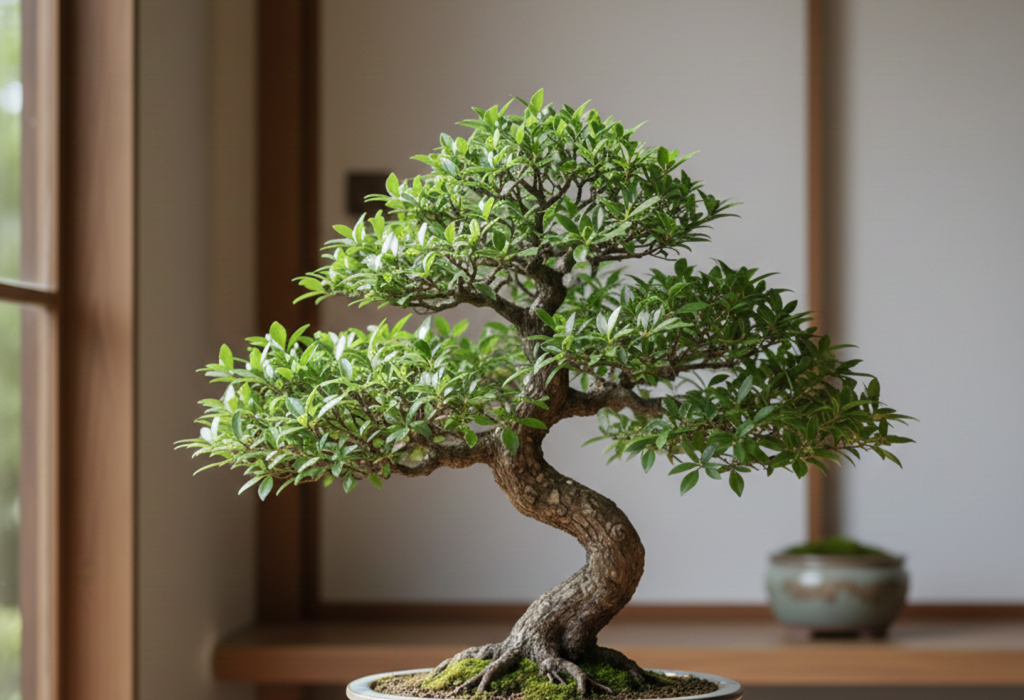
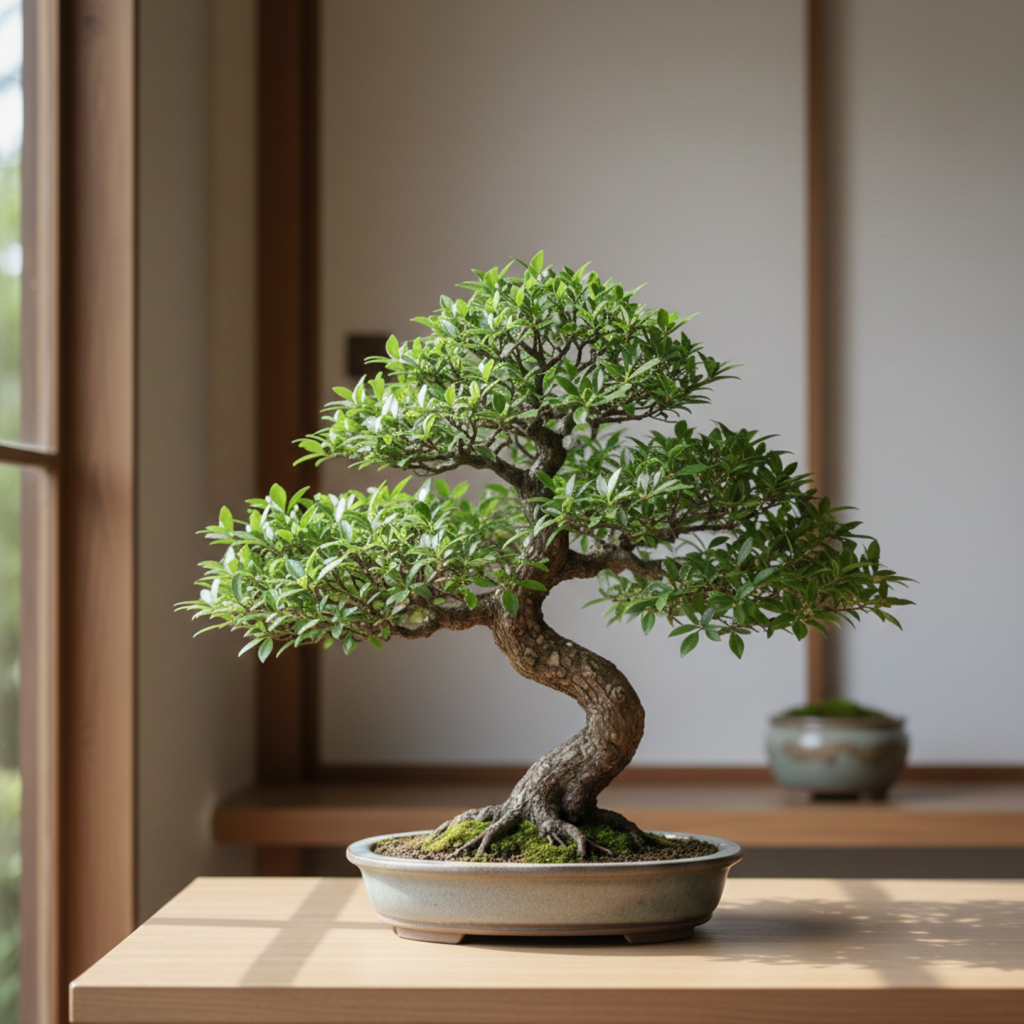
Ficus actually comes from warmer parts of the world like Asia and Africa, which explains why it prefers a cozy indoor spot. warm regions like Asia and Africa, which is why it prefers a cozy environment inside our homes. It is grown as a bonsai by special pruning and training so that it has a small yet natural tree-like structure. Most ficus bonsai have a thick trunk, shiny green leaves, and a shape that naturally catches your eye.
One thing I really like about ficus is how forgiving it is compared to many other bonsai types. Even if a little mistake is made, this plant can recover easily. That’s exactly why many people casually call it a “beginner-friendly” bonsai.
Popular Ficus Bonsai Varieties
1. Ficus retusa
Ficus retusa is one of the most popular varieties in the bonsai world. Its slightly curved trunk makes it look like a tiny version of an old tree you might see in nature. The leaves stay deep green and glossy, even when the plant is kept indoors most of the time.
The specialty of this variety is that it can easily tolerate pruning. So if you are new and want to experiment with shaping, Ficus retusa can be a good choice for you. It doesn’t grow wildly fast, so you won’t have to trim it every other week. It adjusts easily to an indoor environment, but it needs regular light.
In many nurseries, this variety is prepared in a classical upright style or informal upright style, so that it looks attractive for a drawing room or office table.
Maintaining proper watering is easier when you start with a healthy plant. You can check a nursery-grown Ficus Bonsai Tree here – View on amazon
- Brussel’s Bonsai Live Golden Gate Ficus Indoor Bonsai Tree – Small, 4 Years, 5 to 8 In – Live Bonsai Tree in Ceramic Bonsai Pot
- Brussel’s Bonsai Live Golden Gate Ficus Indoor Bonsai Tree – Medium, 7 Years, 8 to 16 In – Live Bonsai Tree in Ceramic Bonsai Pot and Humidity Tray
2. Ficus microcarpa
Ficus microcarpa is often referred to as the “Chinese Banyan Bonsai”. What really stands out in this variety is its thick trunk, and interestingly, it looks better as it ages. I’ve noticed this one tends to grow faster than people expect. Its root system is very powerful and the aerial roots that often appear above the ground give it a unique look.
It tends to grow faster than you expect, so you’ll find yourself trimming it now and then to keep it in shape. to maintain shape. But because of its strength, it can tolerate mistakes. It can recover quickly even with a slight disturbance of water or lack of light.
You’ll often see experienced bonsai enthusiasts choosing this variety when they want to experiment with styling., because its branches are flexible and wiring becomes easy
Maintaining proper watering is easier when you start with a healthy plant. You can check a nursery-grown Ficus Bonsai Tree here – View on amazon
- Brussel’s Bonsai Live Golden Gate Ficus Indoor Bonsai Tree – Small, 4 Years, 5 to 8 In – Live Bonsai Tree in Ceramic Bonsai Pot
- Brussel’s Bonsai Live Golden Gate Ficus Indoor Bonsai Tree – Medium, 7 Years, 8 to 16 In – Live Bonsai Tree in Ceramic Bonsai Pot and Humidity Tray
3. Ficus benjamina
Ficus benjamina, also known as the “Weeping Fig”, is a somewhat delicate species. Its leaves are small and delicate and the branches grow in a slightly drooping form, which gives it a soft and beautiful appearance.
This one doesn’t like too much shifting around. Once it finds a comfortable spot, it prefers to stay there. If you move it from one place to another frequently, it may start to shed its leaves. So it is best to keep it in a fixed location. The light should be sufficient, but not direct, harsh sunlight.
If you already have some experience, this one can feel like an interesting little challenge. and want to bring finesse to bonsai.
Maintaining proper watering is easier when you start with a healthy plant. You can check a nursery-grown Ficus Bonsai Tree here – View on amazon
- Brussel’s Bonsai Live Golden Gate Ficus Indoor Bonsai Tree – Small, 4 Years, 5 to 8 In – Live Bonsai Tree in Ceramic Bonsai Pot
- Brussel’s Bonsai Live Golden Gate Ficus Indoor Bonsai Tree – Medium, 7 Years, 8 to 16 In – Live Bonsai Tree in Ceramic Bonsai Pot and Humidity Tray
4. Ficus ginseng
Ficus ginseng is considered the most visually attractive. Its thick, tangled roots are visible above the ground, giving it the appearance of a miniature banyan tree. It is often sold in nurseries in decorative styles.
This variety is especially popular for indoor decoration, as its bold look immediately attracts attention in a drawing room or office lobby. Its leaves are dark green and strong.
The Ginseng style is originally based on Ficus microcarpa, but its root presentation gives it a different identity. Overall, it’s fairly low-maintenance, which makes it comfortable even for someone just starting out.
Maintaining proper watering is easier when you start with a healthy plant. You can check a nursery-grown Ficus Bonsai Tree here – View on amazon
- Brussel’s Bonsai Live Golden Gate Ficus Indoor Bonsai Tree – Small, 4 Years, 5 to 8 In – Live Bonsai Tree in Ceramic Bonsai Pot
- Brussel’s Bonsai Live Golden Gate Ficus Indoor Bonsai Tree – Medium, 7 Years, 8 to 16 In – Live Bonsai Tree in Ceramic Bonsai Pot and Humidity Tray
Which variety is right for you?
If you’re just starting out and want a beautiful bonsai with minimal fuss, Ficus retusa or Ficus ginseng might be a good choice. If you’re a bit experimental and interested in creative styling, you might want to choose Ficus microcarpa. And if you’re a bit more experienced and want a bonsai with elegance, you might like Ficus benjamina.
Every variety feels a bit different in its own way. What works best really depends on how much time you can give and what kind of look you prefer. Bonsai isn’t just a plant—it’s a journey, and choosing the right variety makes the journey more enjoyable.
How to care for Ficus Bonsai?
Sunlight
Ficus Bonsai likes bright but indirect light. It is best to keep it near a window in the house where it gets mild morning sunlight. If it gets direct and harsh afternoon sun, the leaves can burn. When it doesn’t get enough light, you’ll usually notice leaves dropping first.
Watering
If there’s one thing you should really pay attention to, it’s watering. Water only when the soil feels dry on top. There is no need to water every day; water as the plant needs. Most beginners actually overwater it at least once — I did too. If you water too much, the roots can rot, and if you water too little, the leaves can dry out. So honestly, balance is everything here.
Temperature and Humidity
Since ficus is a tropical plant, it likes a temperature between 18°C and 30°C. It should be kept indoors in cool weather. If the air is very dry, it is beneficial to occasionally spray the leaves lightly.
Pruning
The beauty of bonsai lies in its pruning. Regular pruning of overgrown branches can help maintain shape. If pruning is not done on time, the plant can start growing uncontrollably and its delicate structure can be damaged.
Soil and Repotting
Make sure the soil doesn’t hold too much water, because ficus hates sitting in soggy soil. Ordinary garden soil will not work; special mixtures are available for bonsai that contain sand, akadama, and other ingredients. Every couple of years, it’s a good idea to repot it so the roots have fresh soil and a little more room to breathe.
While repotting, the roots are cut a little. This process may seem a little scary at first, but if done correctly, the plant becomes stronger.
Benefits of Ficus Bonsai
There’s something surprisingly calming about looking at a tiny tree on your desk after a long day. Seeing a small tree gives a kind of peace of mind, especially when you come home after a long day. Many people believe that green plants help keep the atmosphere of the house clean.
Some days you won’t even notice it, and other days it suddenly becomes the calmest corner of your room. Even if you’re busy most days, ficus usually manages just fine with basic care. It can be easily kept in a flat or office with a small space.
Limitations of Ficus Bonsai
Of course, like any plant, ficus bonsai isn’t completely trouble-free. If it does not get the right light, it starts shedding leaves quickly, which can be a concern for new growers. Root rot is also common due to overwatering.
Some people can be allergic to the latex sap that oozes from its leaves. Therefore, it is important to be careful when pruning. Also, regular attention is required to keep a bonsai in shape; it is not possible to completely “set it and forget it”.
Common Problems and Solutions
Sometimes the leaves turn yellow. The main reason for this can be waterlogging or lack of light. Once you fix the watering or lighting issue, it usually settles down on its own.
Pests such as mealybugs or spider mites can also sometimes appear. In such a situation, a spray of natural neem oil is effective. Regular checks can avoid major problems.
Also Read This: –
- Bonsai Soil Explained: How to Choose the Perfect Mix for Strong Roots – 2026
- Bonsai Pots: How to Choose the Perfect Home for Your Small Tree – 2026
- Juniper Bonsai Tree Guide – Care, Types, Benefits & Personal Growth Story(2026)
- 21 Essential Gardening Tools
- Balcony Gardening Made Easy: Powerful Tips to Create a Beautiful City Oasis in 2026
Conclusion
Over time, you’ll realize it’s not just about decorating your home—it becomes a small daily ritual you look forward to. Growing it teaches you patience, discipline, and a new relationship with nature. You may make a few mistakes at first, but over time you will learn its language—when it needs water, when there is little light, and when it needs to be pruned.
It won’t change your life overnight. But slowly, almost quietly, it becomes part of your daily routine. And that’s the beauty of it.
If you want to bring a small, beautiful, and living art tree home, Ficus Bonsai is an excellent choice. It quietly adds a fresh, green touch to your space and makes the room feel a bit more alive.
FAQ.
1. Is Ficus Bonsai suitable for keeping at home?
Ans. Yes, Ficus Bonsai is very suitable for keeping at home. It is a good choice especially for those who are starting to grow bonsai for the first time. It adjusts easily to an indoor environment and can tolerate a few mistakes.
2️. How often should Ficus Bonsai be watered?
Ans. Ficus Bonsai does not need to be watered every day. Water when the soil feels dry on top. Excessive watering can cause the roots to rot and too little water can cause the leaves to dry out. So it is most important to maintain a balance.
3️. Does Ficus Bonsai need direct sunlight?
Ans. It likes bright but indirect light. Mild morning sunlight is fine, but harsh afternoon sun can damage the leaves. Keeping it near a window is usually appropriate.
4️. What to do if Ficus Bonsai leaves fall?
Ans. The main reason for leaf fall can be lack of light or waterlogging. First check that the soil is not too wet, right? And whether the plant is getting enough light or not. If you improve the situation, the plant usually recovers.
5️. How often should Ficus Bonsai be repotted?
Ans. It is usually appropriate to repot after every 2 to 3 years. Getting new soil and a little extra space strengthens the roots and the plant grows better.
6️. Can Ficus Bonsai be kept in the office?
Ans. Yes, of course. If there is enough indirect light in the office, Ficus Bonsai can be easily kept. It looks beautiful on a table or reception area and makes the atmosphere greener.
7️. How long can Ficus Bonsai live?
Ans. If cared for properly, Ficus Bonsai can live for many years. Some bonsai are even grown for decades. If you spend time with this plant, you develop a special bond with it.
8️. Is Ficus Bonsai difficult to care for?
An. It requires some care initially, but once its needs are understood, care becomes easy. Regular watering, proper lighting, and occasional pruning — that’s enough.