

 By
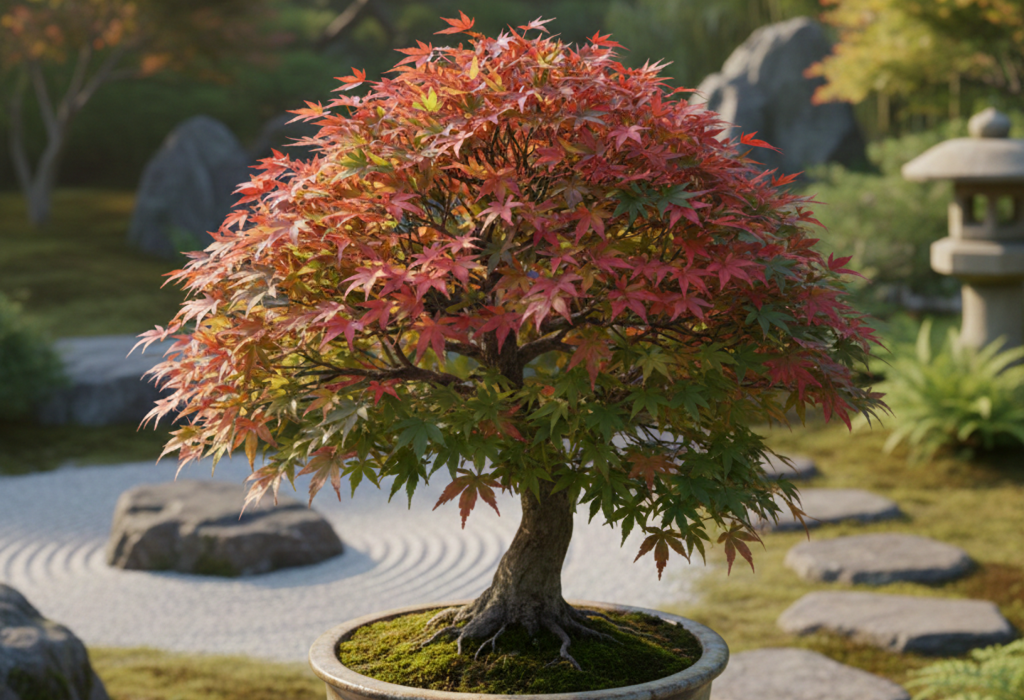
By Japanese Acer Bonsai, also known as Japanese Maple Bonsai, holds a very popular and respected place in the bonsai world. This bonsai is not just an ornamental plant, but something that slowly teaches patience, care and a real connection with nature. If you are interested in bonsai plants and are looking for accurate information especially about Japanese Acer Bonsai care, then this article will help you understand Japanese Acer Bonsai in a simple and practical way.
What is Japanese Acer Bonsai
Japanese Acer Bonsai is basically an Acer tree that is carefully trained and grown in a small container using traditional bonsai techniques. Japanese Maple Bonsai is mainly grown traditionally in Japan and is considered a symbol of peace and balance there.
The specialty of Acer bonsai tree is that it changes its color according to the season, which is the most attractive thing for bonsai lovers. With proper Japanese Acer Bonsai care and a little patience, this plant can easily live for decades.
Types of Japanese Acer Bonsai
There are several varieties of Japanese Acer Bonsai available, and each one behaves slightly differently as it grows, some suitable for beginners and some for advanced bonsai growers.
Acer Palmatum Bonsai is the most popular Japanese Maple Bonsai variety. Its delicate leaves and beautiful fall colours are the main reason why most people fall in love with it.
Acer Buergerianum Bonsai, also called Trident Maple Bonsai, is more resistant to pruning and wiring.
Acer Japonicum Bonsai is a bit rarer and has larger leaves, so this type is usually preferred by experienced bonsai growers.
Japanese Acer Bonsai Leaves and Color Change
One of the first things people notice about Japanese Acer Bonsai is its changing leaf colour. In the Spring season, the leaves are green or light red in colour. In the Summer, the colour becomes darker and in the Autumn season, the Japanese Maple Bonsai leaves change to red, orange and yellow shades.
This color change mostly depends on proper sunlight for Japanese Acer Bonsai and balanced nutrition. If the leaves are burning, it is a sign of excessive sunlight.
Japanese Acer Bonsai Styles
Styling plays a very important role in Japanese Acer Bonsai and is a big part of bonsai art.
Upright style Japanese Maple Bonsai is the easiest for beginners.
Informal upright style gives the bonsai a natural look.
Slanting style Japanese Acer Bonsai gives the impression of a tree leaning in the wind.
Group planting Japanese Maple Bonsai creates a forest style.
Cascade style is advanced bonsai styling and looks very attractive.
How to Grow Japanese Acer Bonsai
Growing Japanese Acer Bonsai is a slow process and requires a good amount of patience. For beginners, it is better to buy nursery grown Japanese Maple Bonsai.
The Bonsai pot should be shallow and drainage holes are essential. Akadama, coarse sand and organic compost are considered the best for the Japanese Acer Bonsai soil mix.
Japanese Acer Bonsai can be kept indoors for some time, but for long-term health it performs much better outdoors.
Japanese Acer Bonsai watering and sunlight
Japanese Acer Bonsai watering schedule is very important. One common mistake many beginners make is overwatering, which can lead to root rot.
Watering is required almost daily in the summer season, while watering should be reduced in winter.
Japanese Acer Bonsai sunlight preference is bright indirect light. Gentle morning sunlight works well, but it is important to protect the bonsai from harsh afternoon sun.
Japanese Acer Bonsai pruning and wiring
Japanese Acer Bonsai pruning is best done in spring and early summer. Regular pruning helps maintain the bonsai shape and keeps the plant balanced.
Special care should be taken while wiring Japanese Maple Bonsai because its branches are delicate. Late winter is usually considered the safest time for wiring.
Japanese Acer Bonsai fertilizer guide
Japanese Acer Bonsai fertilizer should be applied regularly during the growing season. Organic bonsai fertilizer is generally safer and works more gently over time.
Fertilizer should be withheld during winter dormancy.
Common Japanese Acer Bonsai Problems
Leaf burn, leaf drop and occasional pest attacks are common problems seen in Japanese Acer Bonsai.
Aphids and spider mites are Japanese Maple Bonsai pests, which can be controlled with neem oil.
Root rot is a Japanese Acer Bonsai disease that is caused by excessive watering.
Seasonal care of Japanese Acer Bonsai
During summer, Japanese Acer Bonsai usually needs some shading along with frequent watering.
Pay special attention to the drainage system during the monsoon season.
Winter season is the Japanese Acer Bonsai dormancy time, during which it is natural for the leaves to fall.
Autumn season is the Japanese Maple Bonsai display season, so avoid heavy pruning.
Japanese Acer Bonsai lifespan
With consistent Japanese Acer Bonsai care, this bonsai can live for 50 to 100 years or even longer. Many centuries old Japanese Maple Bonsai are still alive in Japan today.
Japanese Acer Bonsai tips for beginners
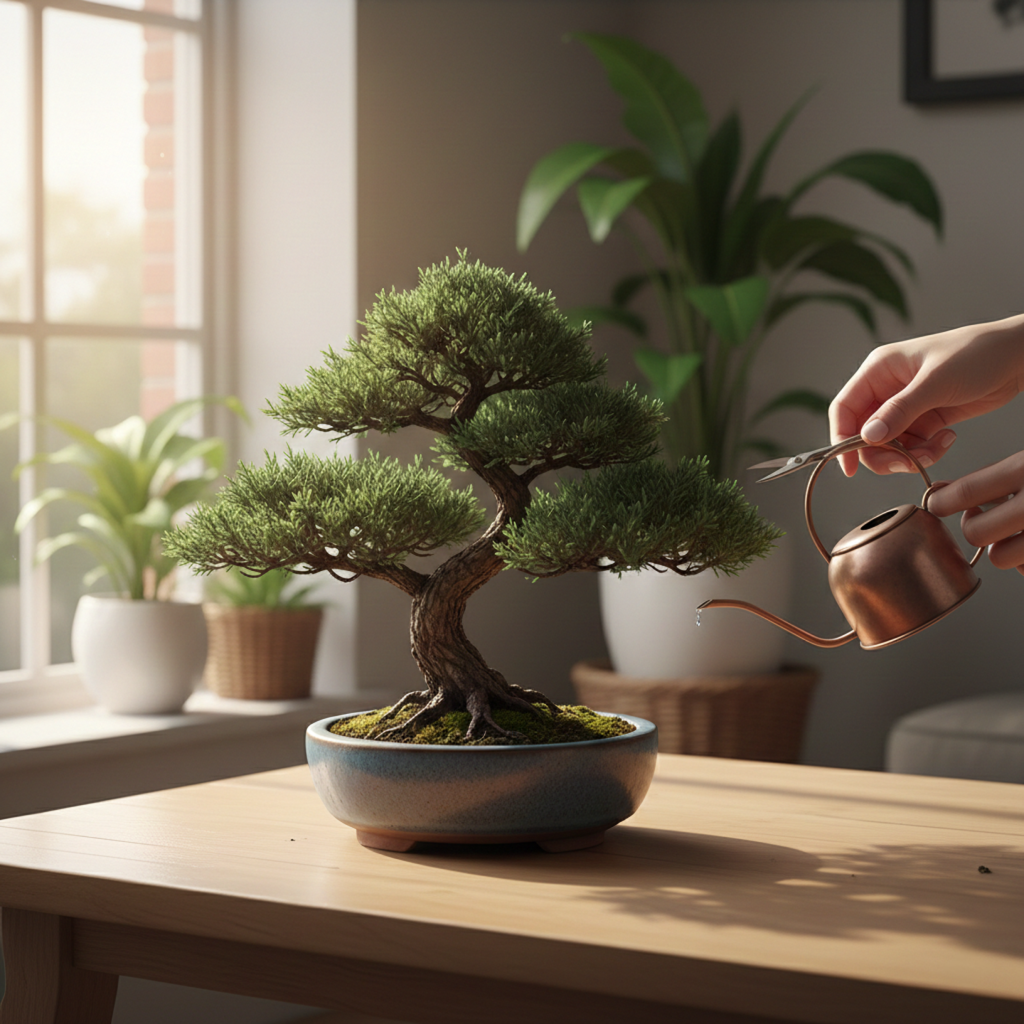
Beginners should initially choose affordable Japanese Acer Bonsai.
In most cases, consistent care gives much better results than over caring.
Each Japanese Bonsai has a different temperament, so it is important to take the time to understand it.
Conclusion
Japanese Acer Bonsai is not just an ornamental plant, but a symbol of patience, dedication and a close relationship with nature. Its changing leaves, seasonal beauty and ability to live for years make it stand out from other bonsai plants. With proper Japanese Acer Bonsai care, timely watering, balanced fertilizer and judicious pruning, this bonsai can slowly add both peace and natural beauty to your home.
If you are new to the bonsai world, then Japanese Maple Bonsai can be an excellent choice, as it gives you the opportunity to understand nature closely. And if you are already a bonsai lover, then Japanese Acer Bonsai gives your collection a different height. This bonsai, raised with true care and love, can become a living memory not only today, but also for generations to come.
Also read this :-
- Complete Guide to Growing Japanese Acer Bonsai (Care, Tips & Styles)
- What Growing a Bonsai Taught Me About Patience, Art, and Nature
- Gardening Gloves: Types, Uses, and How to Choose the Best Pair
- Backyard Farming: A Simple Guide to Growing Healthy Food at Home
- The Key to a Thriving Garden: 21 Essential Gardening Tools
FAQ
1. Can Japanese Acer Bonsai be kept indoors?
Ans. Japanese Acer Bonsai can be kept indoors for a short time, but in the long run it grows better in an outdoor environment. It needs light sunlight, fresh air and seasonal change, which is not always available indoors.
2. Does Japanese Maple Bonsai need to be watered daily?
Ans. Daily watering is not always necessary. Water should be given only after the top surface of the soil is slightly dry. Watering is required several times a day in summer, while in winter the water requirement is less.
3. How Much Sunlight Does a Japanese Acer Bonsai Need?
Ans. Japanese Acer Bonsai prefers bright indirect light. Soft morning sunlight is beneficial, but strong afternoon sunlight can burn the leaves, so shade is best.
4. Can Japanese Maple Bonsai survive in Indian climate?
Ans. Yes, Japanese Maple Bonsai can be grown in Indian climate, but must be protected from extreme heat and humidity. A bonsai stays healthy if it gets shade in summer, proper watering and good drainage.
5. Why Japanese Acer Bonsai leaves are not red?
Ans. Red color of leaves depends on proper sunlight, balanced nutrition and season. Due to excessive heat, overwatering or nutrient deficiency, the colour of the leaves may turn pale.
6. What is the best time for Japanese Acer Bonsai pruning?
Ans. Spring and early summer are the best times for pruning. Bonsai grows actively during this time and recovers quickly after pruning. Heavy pruning should be avoided in autumn and winter.
7. How many years can a Japanese Maple Bonsai live?
Ans. With proper care Japanese Maple Bonsai can live for 50 to 100 years or even longer. There are still many bonsai in Japan today that are over a century old.
8. Is Japanese Acer Bonsai Difficult for Beginners?
Ans. A little attention and patience is required in the beginning, but once basic care is understood, Japanese Acer Bonsai is not difficult to care for. For beginners it is better to start with nursery grown bonsai.
9. What soil is best for Japanese Acer Bonsai?
Ans. Soil with good drainage is most important for Japanese Acer Bonsai. Generally, a mix of akadama, coarse sand and organic compost is considered excellent.
10. How to control pests in Japanese Acer Bonsai?
Ans. Problems like aphids and spider mites can be easily controlled with neem oil or mild organic pesticide. Timely checking and avoiding overwatering protect against pests.