

 By
By When I first thought about growing my own bonsai at home, I had similar doubts. I wondered whether I would have enough space, whether I would have the time, and whether I would get the real results of my hard work. I over-thought at first and hesitated instead of taking small steps.
Hello, I’m Jigar — the creator of JigTechHub. Although I usually write about technology and digital tools, gardening is a personal passion of mine. Over time, through small efforts at home and my own experience, I realized that growing your own food or beautiful plants is not as difficult as we think.
In this article, I’m sharing all the important things I’ve learned about gardening — what gardening is, its different types, its benefits, common problems, and practical solutions. Whether you have a backyard, terrace, or a small balcony, this guide will help you get started.
Now that you know why gardening is important, let’s understand what it actually is, how it works, and how you can start your own journey of growing healthy and beautiful plants at home.
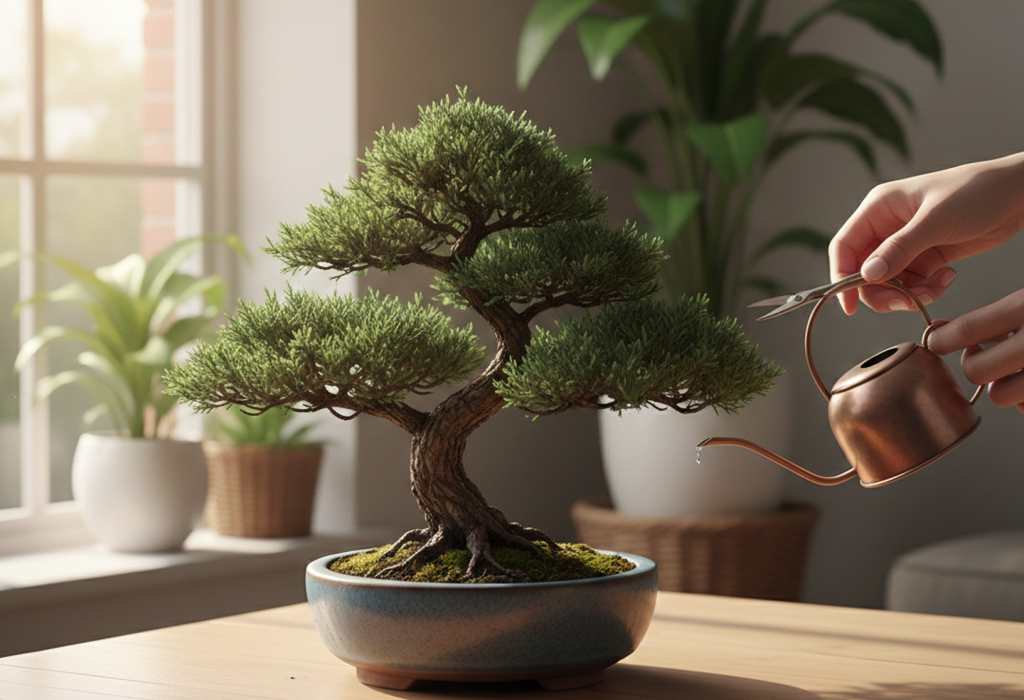
I didn’t expect a tiny tree to become part of my daily routine, but my bonsai slowly did. It’s something I connect with every day observing how the leaves change, how it responds to the weather, and how it grows slowly over time.
There were weeks when nothing seemed to change, and that waiting quietly tested my patience more than I expected, especially every time I prune it, and slowly reveals itself through its shape.
When I first started growing bonsai, I quickly realized that it behaves very differently from regular potted plants. I learned that even small mistakes like watering one extra day show up weeks later, not immediately.
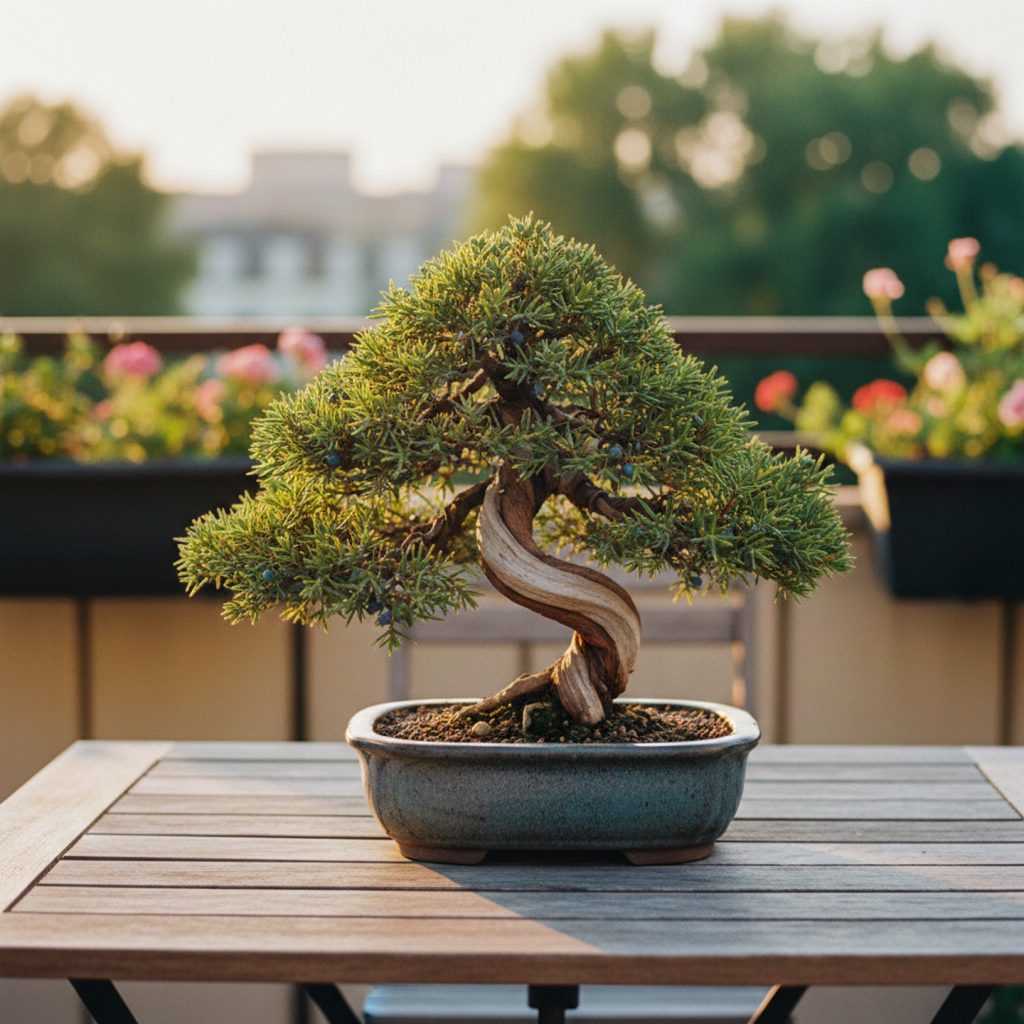
because A bonsai needs more than just water and fertilizer to survive; it asks for attention, observation, and a little bit of patience each day. Even spending ten quiet minutes a day with my bonsai watering or trimming often feels more relaxing than scrolling endlessly on my phone. Watching my bonsai made me notice things I usually ignore like how leaves react differently after cloudy days.”.
Everything I’m sharing here comes from trial, error, and years of daily care not from a manual. through years of personally caring for bonsai what bonsai really is and where it comes from, how to choose the right trees for beginners, and the small but important details that keep a bonsai healthy over time, how it came about, how to pick the right trees, and the little things that keep them happy, choosing the right varieties, soil, water, light, fertilizer, pruning, repotting, pest control and how to keep it healthy for a long time.
What is a bonsai tree?
The word ‘bonsai’ comes from the Japanese language, in which
the Japanese language, ‘bon‘ means small container. ‘sai‘ means planted tree
In simple terms, bonsai is about growing a normal tree in a small pot and guiding its growth over time.
Many beginners believe bonsai is a special kind of tree, but in my experience, I’ve learned that many common trees can become bonsai if you’re patient enough to train them slowly if you’re willing to train it carefully., The real skill is in training an ordinary tree to stay small while still looking natural and balanced.
I’ve seen bonsai that, with proper care, can live for generations, becoming living family treasures. and even be passed down within families.
History and Importance of Bonsai
Long before bonsai reached homes today, it began in China as an art called Penzai. where the art was known as “Penzai.” Later, the art developed in Japan and became popular all over the world.
In Japan, bonsai is much more than just decoration; it embodies peace, balance, patience, and harmony with nature—lessons that it quietly teaches anyone who tends it.
- peace
- balance
- patience
- and harmony with nature.
Today, people prefer bonsai as
- home decoration
- meditation
- hobby and as a gift.
Choosing the right tree for bonsai
Not every tree is suitable for bonsai. Some varieties are easier for beginners.
Suitable bonsai varieties for beginners:
- Ficus
- Jade plant
- China elm
- Juniper
- Ashoka
- Peepal
- Banyan
These were the trees I personally found easier to recover after early mistakes., which is exactly why I started with them, but I’ve learned they thrive when you give them regular, gentle care
- Proper location and light for bonsai
- I’ve personally noticed that I noticed my bonsai improved more after fixing light exposure than after changing fertilizer in a bonsai’s health between a bonsai just surviving or truly thriving for the health of bonsai.
Indoor Bonsai:
- Keep near the window
- Morning sunlight is best
- Keep away from AC or heater
Outdoor Bonsai:
- Mild sunlight is necessary
- Protect from intense afternoon sun
- Make sure it does not get continuously soaked in rain
- Less light causes the leaves to turn yellow and growth slows down.
The right way to water bonsai
In my early days, watering was the mistake I made most often. either too much or too little. Both can stress the tree and cause long-term damage.
Rules for watering:
- Water only when the top layer of soil feels dry
- Check regularly every day
- There must be a drainage hole at the bottom of the pot
- Water enough at a time, but do not let it get waterlogged
- More water is needed in summer, while less in winter.
Importance of Soil for Bonsai
When I first started out, I used regular garden soil, and my bonsai suffered. That’s when I realized bonsai need soil that drains well but still holds some moisture. Bonsai requires soil that:
- Retains water
- But also allows excess water to drain
Ideal soil mix:
- Sand
- Cotton soil
- Organic compost
- Small pebbles
- Good soil keeps the tree’s roots healthy.
Pruning & Trimming
Pruning was the moment I felt most responsible every cut felt permanent Every snip I make changes how it will grow and shape itself over months. to a bonsai.
- Benefits of pruning:
- Keeps the tree small
- Produces new growth
- Gets a balanced shape
When pruning:
- Cut off dry and weak branches
- Remove excess leaves
- Always use clean tools
- I’ve learned from experience that rushing pruning usually leads to problems. Some branches only showed the results of pruning after months, which taught me not to rush.
Why is repotting necessary?
Over time, the roots of a bonsai fill up the container.
Repotting:
- Do it once every 2–3 years
- Change the old soil
- Cut off excess roots
- Choose a new container that is slightly larger
- After repotting, I usually see healthier leaves within a few weeks.
When pruning:
- Cut off dry and weak branches
- Remove excess leaves
- Always use clean tools
- This process needs to be done patiently.
Proper use of fertilizer
After repotting, I usually see healthier leaves within a few weeks.
Fertilizer suggestions:
- 1–2 times a month
- Organic fertilizer is best
- Excess fertilizer is harmful
Fertilizer is more effective in summer and during the growth period.
Pest and Disease Prevention
Bonsai can also be affected by pests and diseases.
- Common Problems:
- Insects on leaves
- Fungal infections
- Yellowing of leaves
Prevention:
- Regular inspection
- Spraying neem oil
- Maintaining cleanliness
- Removing diseased parts
The relationship between bonsai and patience
Bonsai quietly teaches us that:
- Not everything is available immediately
- Development takes time
- Patience yields beautiful results
Spending even ten minutes with my bonsai often calms me more than any break I take during the day, which provides peace of mind.
Daily care of bonsai
- Check the soil daily
- Clean the leaves weekly
- Check the shape once a month
- Change the care according to the season
With regular attention, bonsai always remains healthy.
Conclusion
Caring for a bonsai isn’t difficult, but it does require time, attention, and a bit of love. When you give it the right light, water, soil, and patience, it slowly becomes more than just decoration it becomes a living companion, a bonsai tree will not only be a part of home decoration, but will become a companion that brings peace and balance to life. After years of caring for bonsai, I’ve come to believe It isn’t about perfection. It is about consistency, observation, and respect for nature’s pace.
Every time I look at my bonsai, it reminds me how even the tiniest leaves can hold surprising beauty.
Also read this :-
- Complete Guide to Growing Japanese Acer Bonsai (Care, Tips & Styles)
- What Growing a Bonsai Taught Me About Patience, Art, and Nature
- Gardening Gloves: Types, Uses, and How to Choose the Best Pair
- Backyard Farming: A Simple Guide to Growing Healthy Food at Home
- The Key to a Thriving Garden: 21 Essential Gardening Tools
FAQ
1. What is a bonsai tree?
Bonsai is not a special type of tree. A normal tree grown in a small container with special care, pruning and training is called a bonsai.
2. Is it difficult to grow a bonsai?
No. It requires a little care at first, but with regular care and patience, growing a bonsai becomes easy.
3. How much water should a bonsai be given?
Water should be given only when the top layer of soil feels dry. Too much water or too little water—both can be harmful.
4. Does bonsai need sunlight?
Yes. Bonsai needs sufficient light. Soft morning sunlight is considered the best.
5. Which trees are good for beginners?
Varieties like ficus, jade plant, China elm and juniper are considered good for beginners because they are more tolerant.
6. How often should bonsai be pruned?
Pruning should be done when the branches grow too much or dry out. This process needs to be done with patience.
7. How often should bonsai be reported?
Generally, repotting once every 2 to 3 years is appropriate, so that the roots get new space and nourishment.
8. Does bonsai give peace of mind?
Yes. Taking care of bonsai is a meditation-like process, which calms the mind and teaches patience.