

 By
By Backyard Farming: How to Grow Fresh and Chemical-Free Food at Home
There is often excitement when hearing about starting backyard farming, but initially many people get confused about one thing — where to start, what to grow, and whether it is really possible or not?
When I first thought about growing my own plants at home, I had similar doubts. I wondered whether I would have enough space, whether I would have the time, and whether I would get the real results of my hard work. I over-thought at first and hesitated instead of taking small steps.
Hello, I’m Jigar — the creator of JigTechHub. Although I usually write about technology and digital tools, gardening is a personal passion of mine. Over time, through small efforts at home and my own experience, I realized that growing your own food or beautiful plants is not as difficult as we think.
In this article, I’m sharing all the important things I’ve learned about gardening — what gardening is, its different types, its benefits, common problems, and practical solutions. Whether you have a backyard, terrace, or a small balcony, this guide will help you get started.
Now that you know why gardening is important, let’s understand what it actually is, how it works, and how you can start your own journey of growing healthy and beautiful plants at home.
Backyard Farming -Introduction
In today’s fast-moving life, most people are so busy that they rarely stop to think about where their food actually comes from or how it is grown. Even though the vegetables and fruits available in the market may look clean and attractive, the chemicals, fertilizers, and medicines hidden behind them are becoming dangerous for our health.
In such a situation, backyard farming feels like a simple way for people to reconnect with nature. Growing vegetables yourself in a small space around the house, eating food grown with your own hard work – Over time, it becomes more than just farming — it slowly turns into a way of life.
What is Backyard Farming?
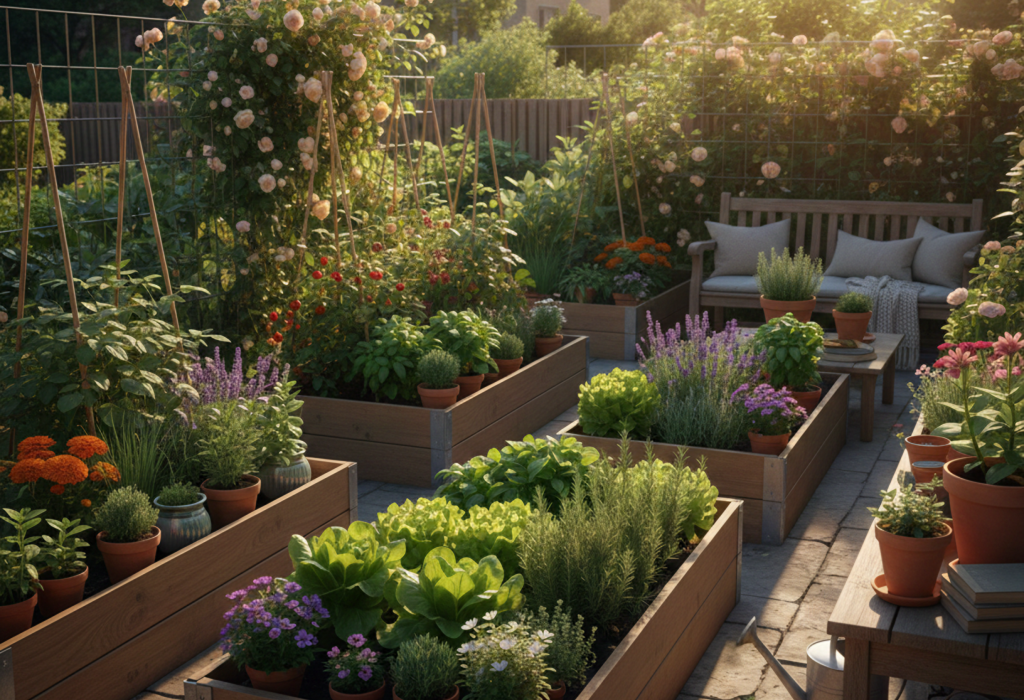
Backyard farming is small-scale farming done in the backyard, front yard, on a terrace or in a garden. For this, you don’t need a big farm or any costly equipment. Just a little land, a little soil, a little time and a love for farming – that is all that is needed.
“Also check out these top 21 essential gardening tools — they are super helpful for making your backyard farming journey much easier!”
In backyard farming, a person can grow vegetables, fruits, medicinal plants or sometimes even small livestock (such as poultry) according to his needs. Because of these reasons, backyard farming is becoming quite popular, especially in cities.
Types of Backyard Farming
Backyard farming is not limited to just one method; it can be done in different ways depending on space, time and personal needs. People choose their own type according to the facilities available in each house.
1. Traditional Backyard Farming
This type of farming is more common in villages. Vegetables and fruit plants are grown directly on the ground in the open land behind the house. In this method, the soil is natural, so the crops are healthier.
“If you have a small space at home, also check this guide on balcony gardening — it’s full of tips to grow fresh veggies even in a tiny area!”
2. Container-based Backyard Farming
Where open land is not available, farming is done in pots, drums, plastic boxes, cement pots, etc. This method works very well for people who live in flats or have limited space.
3. Terrace or Rooftop Farming
Backyard farming on the roof of the house is becoming very popular these days. Vegetables grow well on the roof as it gets enough sunlight.
4. Vertical Backyard Farming
Where space is very limited, farming is done by using a wall to make hanging pots, bottles or shelves. This method gives more production in less space.
5. Mixed Backyard Farming
Some people also grow fruit plants, herbs and medicinal plants along with vegetables. This method can meet almost the entire food requirement of the household.
Backyard Farming Method
Backyard farming may look simple, but it needs regular care and a bit of understanding to be successful. It is best to start small.
First of all, it is very important to choose a suitable place. A place where there is enough sunlight and water is easily available should be chosen. Then it is necessary to improve the quality of the soil. Mixing cow dung, vermicompost or home-made fertilizer in the soil helps the plants grow faster.
While sowing seeds, always choose seeds according to the season. Planting ready-made plants at the beginning gives more success. While watering, care should be taken not to water too much or too little.
When chemical fertilizers are avoided and simple home-made organic methods are used, plants stay healthy and the soil also remains fertile.
“If you have a small space at home, also check this guide on balcony gardening — it’s full of tips to grow fresh veggies even in a tiny area!”
Benefits of Backyard Farming
The impact of backyard farming goes beyond food and can be felt in many parts of daily life.
The biggest benefit is pure and healthy food. The chemicals present in the vegetables available in the market can be avoided. Another important benefit is saving money. Gradually, the cost of vegetables in the house is reduced to a large extent.
Backyard farming is also very beneficial mentally. Spending time with plants often brings a sense of calm and helps reduce daily stress. This is a great opportunity for children to connect with nature.
Apart from this, backyard farming is also beneficial for the environment. Compost is made from waste, the use of plastic is reduced and greenery increases.
Role of Backyard Farming in Sustainable Lifestyle
In today’s world, following a sustainable lifestyle has become more important than ever. Natural resources are limited and it is necessary to use them wisely. Backyard farming is an important step in this direction.
Growing your own food reduces dependence on the market. Waste in transportation, packing and storage is reduced. In this way, backyard farming plays an important role in saving the environment.
In this way, backyard farming helps people become more self-reliant and contributes to a cleaner and greener future.
Problems of Backyard Farming
Although backyard farming may seem easy at first, it does come with a few challenges. Limited space is a big problem in urban areas. Many people do not have regular time, so they cannot take proper care of the plants.
Pests and diseases are also a big problem. Sudden changes in weather can damage the crop. People also get discouraged due to lack of proper guidance in the beginning.
Solutions to problems
Every problem has a solution. If space is limited, vertical or container farming can be adopted. If time is limited, low-maintenance plants can be chosen.
To avoid pests, organic methods like neem extract, garlic-chili solution can be adopted. The water problem can be solved by collecting rainwater.
Above all, patience and regular effort play the biggest role in successful backyard farming. Gradually, experience increases and backyard farming becomes easy and enjoyable.
“Also check these gardening gloves — they are really helpful to protect your hands while planting, weeding, and handling soil.”
FAQ (Frequently Asked Questions)
1. Is backyard farming possible in small houses or flats?
Ans. Yes, it is absolutely possible. If there is no open land, backyard farming can be easily done through pots, buckets, terraces or vertical gardening. Many people successfully grow vegetables and herbs even while living in flats.
2. How much time do you need to dedicate to backyard farming each day?
Ans. It takes a little more attention at first, but once you get the hang of it, 20 to 30 minutes a day is enough. For many people, this time becomes a time to reduce stress and calm the mind.
3. What are the easiest plants to start backyard farming with?
Ans. Plants like spinach, fenugreek, coriander, mint, tomatoes, chillies and okra are easy to grow for beginners. These plants grow well even with little care.
4. Do backyard farming require the use of chemical fertilizers?
Ans. No, it is not necessary. Using home-made manure, vermicompost, cow dung and kitchen waste in backyard farming keeps the crops healthy and safe.
5. What to do if pests and worms damage the plants?
Ans. Natural methods like neem extract, garlic-chili solution or buttermilk can be adopted to avoid pests. Regular monitoring can prevent major problems.
6. Can backyard farming really save money?
Ans. Yes, it definitely saves money over time. It costs a little initially, but then the cost of buying vegetables from the market gradually decreases.
7. Is backyard farming beneficial for children?
Ans. Yes, backyard farming is very beneficial for children. They get to understand nature, learn responsibility and engage in positive activities away from mobile phones.
8. What is the most common mistake in backyard farming?
Ans. The most common mistake is overwatering. Many people think that overwatering will make plants grow faster, but in fact it harms the plants.
9. Is backyard farming suitable for the whole family?
Ans. Yes, backyard farming is an activity that every member of the family can participate in. Working together also strengthens the bond between the family.
10. What is the best time to start backyard farming?
Ans. Winter and rainy seasons are generally considered to be good times to start, as the weather is favorable for growing plants during these times.